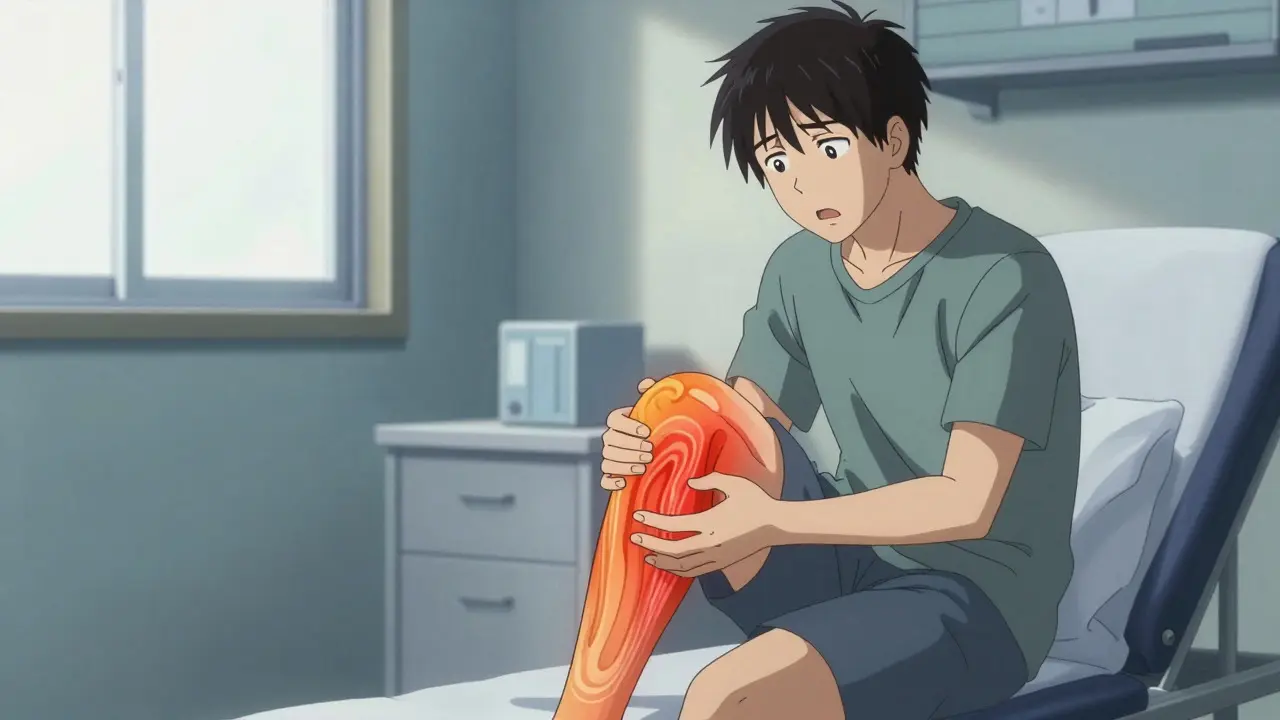
Walking into a clinic with a swollen, hot knee or a shoulder that locks up when you reach for a shelf is stressful. You want answers, not just another prescription for pills that make you nauseous. That’s where corticosteroid injections come in. Also known as cortisone shots, these are powerful tools doctors use to calm down angry joints quickly. But do they fix the problem, or just mask it? The answer depends on what’s actually wrong with your body.
If you’re considering this procedure, you need to know exactly how it works, who benefits most, and the real risks involved. This isn’t about selling you hope; it’s about giving you the facts so you can make a smart decision with your doctor.
The Quick Summary
- Corticosteroid injections provide fast pain relief, often within 48 hours, by suppressing inflammation directly at the source.
- They work best for acute inflammatory conditions like gout flares, bursitis, and severe rheumatoid arthritis attacks.
- Relief typically lasts 2 to 6 weeks, making them a bridge therapy rather than a permanent cure.
- Ultrasound guidance increases accuracy from 70% to 95%, significantly reducing the risk of missing the target.
- Limited to 3-4 times per year per joint to avoid tissue weakening and accelerated joint damage.
How Cortisone Actually Calms the Storm
Your body produces cortisol naturally to manage stress and inflammation. When an injury or disease causes excessive swelling, your own supply isn’t enough. A synthetic version, such as triamcinolone acetonide or methylprednisolone acetate, is injected directly into the joint space or soft tissue. This bypasses the digestive system and delivers high concentrations exactly where the pain is happening.
Once inside, the steroid binds to receptors in your cells and tells them to stop producing inflammatory chemicals like interleukin-1 and tumor necrosis factor-alpha. Think of it as turning down the volume on a fire alarm. It doesn’t put out the fire (the underlying structural issue), but it stops the panic response that causes heat, redness, and intense pain. Most patients feel the local anesthetic kick in immediately during the injection, followed by the steroid taking effect over the next 24 to 72 hours.
Who Gets the Best Results?
Not everyone responds the same way. The success rate hinges on the type of condition being treated. Here is a breakdown of where these injections shine and where they fall short:
| Condition | Average Duration of Relief | Success Rate | Key Limitation |
|---|---|---|---|
| Acute Gout Flare | 4-6 weeks | High | Does not prevent future flares |
| Rheumatoid Arthritis | 2-4 weeks | Moderate-High | Requires ongoing systemic medication |
| Osteoarthritis (Mild-Moderate) | 2-4 weeks | Moderate | No long-term benefit after 6 weeks |
| Tendinitis/Bursitis | 3-8 weeks | Variable | Risk of tendon rupture if repeated |
| End-Stage Osteoarthritis | < 2 weeks | Low | Structural damage prevents lasting relief |
Patients with inflammatory diseases like rheumatoid arthritis tend to see better results because the primary driver of their pain is active inflammation. For those with mechanical wear-and-tear, like advanced osteoarthritis, the shot helps temporarily but won’t reverse the bone-on-bone friction. If your cartilage is gone, no amount of anti-inflammatory medicine will create new cushioning.
The Procedure: What to Expect in the Chair
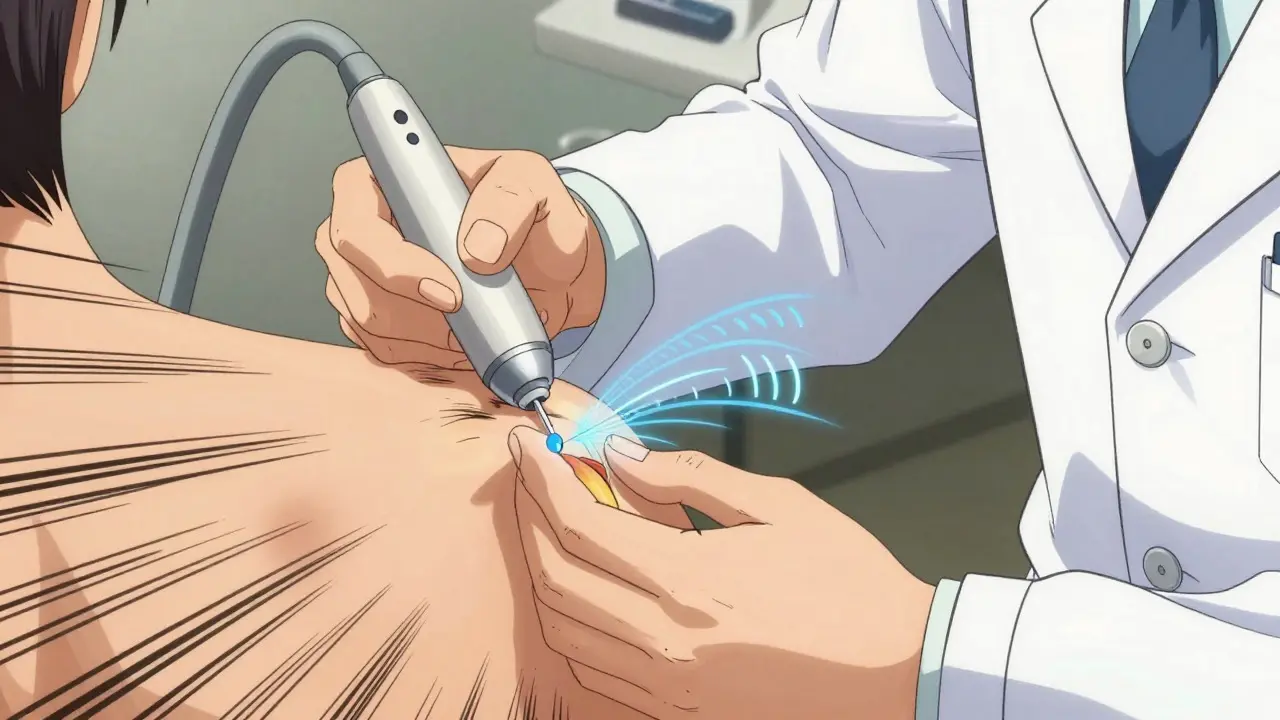
The process itself is quick, usually taking less than 15 minutes. Your provider will clean the area thoroughly to prevent infection. They may use X-ray fluoroscopy or ultrasound to guide the needle. Ultrasound is increasingly preferred because it lets the doctor see the needle tip in real-time, ensuring the medication lands precisely in the joint capsule rather than in the surrounding muscle.
You’ll feel a pinch when the needle enters, followed by a burning sensation as the local anesthetic spreads. Afterward, you might experience a "post-injection flare." This is a temporary worsening of symptoms caused by the crystal structure of the steroid irritating the tissue. It happens in about 2-8% of cases and usually resolves within 48 hours with ice and over-the-counter pain relievers. Don’t panic if your knee hurts more the next day; it’s a known side effect, not necessarily a sign of failure.
Risks and Realistic Limits
Steroids are powerful, which means they carry risks if misused. The biggest concern is tissue weakening. Repeated injections can thin the skin, weaken tendons, and accelerate cartilage loss. Guidelines from the American College of Rheumatology recommend limiting injections to three or four per joint annually. More than that increases the odds of complications without adding significant benefit.
Other specific risks include:
- Blood Sugar Spikes: Diabetic patients should monitor their glucose levels closely for 72 hours post-injection, as steroids raise blood sugar.
- Infection: Rare but serious. Watch for fever, spreading redness, or pus at the site.
- Skin Changes: Lightening of the skin (depigmentation) at the injection site is common and usually fades over months.
- Surgical Risks: If you plan joint replacement surgery, tell your surgeon about recent injections. Studies show a higher risk of prosthetic joint infection if you had a shot within three months of surgery.

Costs and Alternatives
In the UK, NHS coverage often applies for private referrals or specific hospital pathways, but private costs vary. Generally, expect to pay between £100 and £300 for the injection itself, excluding the consultation fee. Compared to other options like Platelet-Rich Plasma (PRP) therapy, which can cost £500 to £1,500, cortisone is a budget-friendly option for short-term relief. However, PRP aims to stimulate healing rather than just suppress inflammation, making it a different tool for a different job. Neither is a magic bullet; they serve different phases of recovery.
Frequently Asked Questions
How long does a corticosteroid injection last?
Most patients experience relief for 2 to 6 weeks. Some report longer periods, but meta-analyses show no significant benefit compared to saline placebo after 6 weeks. It is best viewed as a temporary pause in symptoms.
Can I get too many cortisone shots?
Yes. Doctors generally limit you to 3-4 injections per joint per year. Exceeding this limit increases the risk of tendon rupture, skin thinning, and accelerated joint degeneration. Keep a log of your injections to share with your healthcare provider.
Do cortisone injections damage cartilage?
The evidence is mixed. While short-term use is considered safe, some studies suggest frequent use may be associated with faster radiographic progression of osteoarthritis. Using them sparingly and only when necessary minimizes this potential risk.
Is ultrasound-guided injection better than blind injection?
Yes. Ultrasound guidance improves accuracy from roughly 70% to 95%. This ensures the medication reaches the inflamed tissue, improving outcomes and reducing the chance of injecting into muscle or fat by mistake.
What should I do after the injection?
Rest the joint for 48 hours. Apply ice if you experience a flare-up. Avoid heavy lifting or strenuous exercise for the first few days. If you are diabetic, check your blood sugar regularly for three days. Return to normal activity gradually as pain allows.