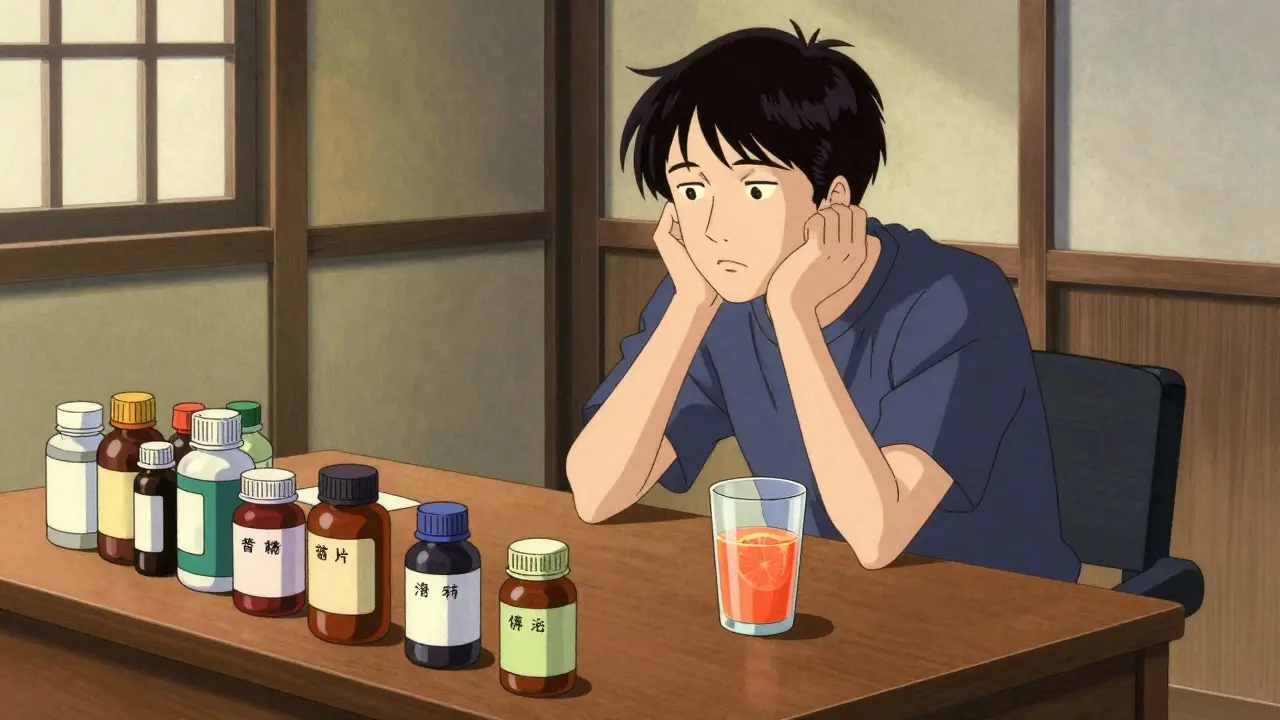
Imagine you just picked up a new prescription for high blood pressure. You also take an over-the-counter painkiller for your knees and a daily multivitamin. It sounds harmless, right? But what if that painkiller cancels out the blood pressure medicine, or makes it dangerously potent? This isn't a hypothetical nightmare scenario; it’s a daily reality for millions of people managing multiple medications.
The good news is that you don’t need a medical degree to spot these dangers. With the right tools and a systematic approach, you can check for drug interactions at home safely and effectively. This guide will walk you through exactly how to use digital checkers, interpret their results without panicking, and know when it’s time to call a professional.
Understanding What a Drug Interaction Actually Is
Before you start typing names into a search bar, it helps to understand what you’re looking for. A drug interaction happens when one substance changes the way another works in your body. It’s not always about two pills fighting each other chemically. Sometimes, it’s about how your liver processes them.
There are three main types of interactions you’ll encounter:
- Drug-Drug Interactions: This is the most common type, accounting for about 61% of all flagged issues. It occurs when two prescribed or OTC medications interfere with each other’s effectiveness or increase side effects.
- Drug-Food/Drink Interactions: Certain foods, like grapefruit juice, or substances like alcohol, can alter how drugs are absorbed. This makes up roughly 27% of interaction alerts.
- Drug-Condition Interactions: Some medications are unsafe if you have specific health conditions, such as taking certain decongestants if you have heart disease. These account for about 12% of warnings.
Knowing these categories helps you stay calm. If a checker flags a "minor" interaction between a vitamin and a supplement, it’s rarely an emergency. But a "major" flag between two prescription drugs demands immediate attention.
The Best Tools for Checking Interactions at Home
You don’t need expensive software. Several reputable, free online tools serve as excellent first-line screening devices. However, not all checkers are created equal. Here is how the top contenders compare:
| Tool Name | Database Size | Best For | Limitations |
|---|---|---|---|
| Drugs.com | 80,000+ potential interactions | Comprehensive detail and professional reports | Technical language may confuse non-medical users |
| WebMD Checker | 18,000+ prescription drugs | User-friendly explanations and visual severity indicators | Higher rate of false positives (reported by 23% of users) |
| Medscape | Extensive clinical database | Healthcare professionals needing advanced filtering | Steep learning curve for consumers; lacks consumer-friendly summaries |
| GoodRx | Integrated with pricing data | Finding cost-saving alternatives when interactions occur | Less detailed on complex pharmacological mechanisms |
For most people, Drugs.com offers the best balance of depth and accessibility. It processes inputs against a massive database and provides detailed reports within seconds. If you find the terminology too dense, WebMD is a great alternative because it explains the "why" behind the warning in plain English.
Step-by-Step: How to Run a Safe Check
Running a check isn’t just about typing in pill names. To get accurate results, you need to be thorough. Follow this four-step process recommended by medication safety experts:
- Create a Complete Medication List: Gather everything you take. This includes prescription drugs, over-the-counter (OTC) medicines, herbal supplements, vitamins, and even regular caffeine or alcohol intake. Don’t forget topical creams or eye drops if they contain active ingredients. According to the CDC, maintaining an updated list every 30 days is crucial.
- Input Accurate Details: When using a tool like Drugs.com or WebMD, enter the exact name and dose. Generic names (like lisinopril) work just as well as brand names (like Zestril), but consistency helps avoid errors. If you’re unsure of the dose, check the bottle or ask your pharmacist before checking.
- Review Categorized Results: Spend at least two minutes reading each flagged interaction. Pay close attention to the severity level. Most tools categorize results as Major, Moderate, or Minor. A "Major" interaction usually means you should avoid the combination entirely unless monitored by a doctor. A "Minor" one might just mean watch for mild side effects.
- Consult Your Healthcare Provider: This is the non-negotiable step. Take your printed or saved results to your doctor or pharmacist. Do not stop taking any prescribed medication based solely on an online checker. As Dr. Michael Cohen from the Institute for Safe Medication Practices notes, these tools catch only 70-80% of dangerous interactions without professional interpretation.

Interpreting Severity Levels Without Panic
Seeing a red alert on your screen can be scary. It’s easy to assume the worst, but context matters. Let’s break down what those severity labels actually mean in practice:
- Major (Red Flag): These interactions require immediate medical attention. They often involve life-threatening risks, such as serotonin syndrome or severe bleeding. Example: Combining warfarin (a blood thinner) with ibuprofen (an NSAID) significantly increases bleeding risk. If you see this, contact your doctor immediately.
- Moderate (Yellow Flag): These require monitoring or dose adjustments. The drugs might still be safe together, but your doctor needs to know. Example: Some antibiotics reduce the effectiveness of birth control pills. Your doctor might suggest using backup contraception during the course of antibiotics.
- Minor (Green/Blue Flag): Generally safe but may cause mild side effects like drowsiness or stomach upset. Example: Taking antihistamines with alcohol might make you sleepier than usual. Usually, no action is needed other than awareness.
Remember, online checkers have a false positive rate of around 18%. This means nearly one in five alerts might not apply to your specific situation. That’s why professional review is essential.
Common Pitfalls and How to Avoid Them
Even with the best intentions, people make mistakes when checking interactions. Here are the most common traps and how to sidestep them:
The "Hidden Ingredient" Trap: Many users forget that OTC products contain active drugs. Cold medicines often contain acetaminophen or pseudoephedrine, which can interact with prescriptions. Always read the "Drug Facts" label on the back of OTC boxes. If you’re confused, use a pharmacy app like Medisafe to scan the barcode-it identifies active ingredients instantly.
The "Supplement Blind Spot": Herbal supplements are not regulated like drugs, but they still interact. St. John’s Wort, for instance, is notorious for reducing the effectiveness of antidepressants, birth control, and even some cancer treatments. Always include supplements in your checker input.
The "Single Pharmacy" Advantage: Using different pharmacies for different prescriptions increases interaction risks by 31%, according to Farmington Drugs data. By consolidating all your prescriptions at one pharmacy, the pharmacist’s system automatically flags interactions before you even leave the counter. This is a powerful, passive safety net.

When Digital Tools Aren't Enough
Digital checkers are fantastic for routine checks, but they have limits. They struggle with complex polypharmacy scenarios-when you’re taking five or more medications simultaneously. In these cases, the web of interactions becomes too intricate for a simple algorithm.
If you fall into this category, or if you have kidney or liver disease (which affects how drugs are processed), you need a pharmacist’s expertise. Pharmacists are trained to look beyond the binary "safe/unsafe" flag. They consider your age, weight, genetics, and overall health history. Studies show that combining digital checkers with pharmacist consultations reduces interaction-related hospitalizations by 42% in Medicare patients.
Also, be wary of unvetted apps. The FDA has warned about fraudulent interaction checkers that provide inaccurate information. Stick to well-known, established platforms like Drugs.com, WebMD, or tools provided by your healthcare system.
Next Steps for Better Medication Safety
Checking for interactions is a habit, not a one-time task. Make it part of your routine. Update your medication list every month or whenever you start a new treatment. Keep a binder or a digital note with your current regimen, doses, and reasons for taking each drug. Bring this list to every doctor’s appointment.
If you’re caring for an older adult, help them manage this process. Polypharmacy is especially risky for seniors, with 40% of Americans aged 65+ taking five or more medications. Regular reviews with a pharmacist can prevent adverse events and keep your loved ones safe.
Technology is evolving, too. Newer tools are integrating AI to predict severity more accurately and even genetic data to personalize recommendations. Stay informed, but always prioritize human judgment. Your health is too important to leave entirely to an algorithm.
Is it safe to rely solely on online drug interaction checkers?
No, online checkers should be used as a preliminary screening tool, not a definitive diagnostic. They can miss rare interactions or fail to account for individual health factors like liver function or genetics. Always consult a doctor or pharmacist before making changes to your medication regimen based on online results.
What should I do if I see a "Major" interaction warning?
Do not panic, but do act quickly. Contact your prescribing doctor or pharmacist immediately. Do not stop taking your medication abruptly unless instructed by a professional, as this could also be dangerous. Explain the specific interaction found and ask for guidance on whether to adjust doses or switch medications.
Do herbal supplements really interact with prescription drugs?
Yes, absolutely. Supplements like St. John’s Wort, garlic, ginkgo biloba, and kava can have significant interactions with prescription medications. For example, St. John’s Wort can reduce the effectiveness of many drugs, including antidepressants and birth control. Always include supplements in your interaction check.
How often should I check my medications for interactions?
You should check your medications every time you start a new prescription, add an OTC drug, or begin a new supplement. Additionally, it’s wise to do a comprehensive review every 30 days or at least quarterly, especially if you take multiple medications regularly.
Can food affect how my medications work?
Yes, food and drink can significantly impact drug absorption and effectiveness. Grapefruit juice is a well-known culprit that interferes with statins and some blood pressure meds. Alcohol can amplify sedative effects or cause liver damage when mixed with acetaminophen. Always check for drug-food interactions alongside drug-drug ones.
Which drug interaction checker is the most accurate?
Drugs.com and WebMD are among the most reliable and widely used tools. Drugs.com offers a more comprehensive database with detailed professional reports, while WebMD provides user-friendly explanations. Both are regularly updated and trusted by healthcare professionals, but neither replaces a pharmacist’s advice.
Why do online checkers sometimes give false alarms?
False positives occur because databases must cover all theoretical possibilities, including rare cases or extreme dosages. An interaction might be dangerous for someone with kidney failure but safe for a healthy adult. Algorithms can’t always distinguish these nuances, which is why professional interpretation is vital.
How can I make sure my pharmacist knows about all my medications?
Use a single pharmacy for all your prescriptions. This allows the pharmacist’s system to automatically track and flag interactions across all your meds. Additionally, bring a complete list of your OTC drugs and supplements to every visit, and update it whenever you change anything.
Cici arya Arya
June 11, 2026 AT 17:59I just checked my mom's list and nearly had a heart attack seeing the red flags for her blood pressure meds mixed with that new herbal supplement she bought online. It is honestly terrifying how many people think 'natural' means safe without checking. I am making her sit down with me right now to go through every single bottle in her cabinet because I refuse to let her ignore this. We are calling the pharmacist immediately to sort out this mess before she ends up in the hospital.
rebecca torres
June 11, 2026 AT 21:51everyone knows drugs.com is the gold standard but most people just glance at the summary and ignore the fine print about dosage adjustments. you have to actually read the mechanism of action section if you want to understand why your liver is screaming at you. webmd is too simplified for anyone who isn't completely clueless about pharmacology so stop using it as your primary source unless you enjoy false alarms. also st johns wort interacts with literally everything so if you are taking antidepressants and popping those herbs you are basically playing russian roulette with your serotonin levels.
Emily Barnhill
June 13, 2026 AT 06:55Listen up because this is serious. You do not get to decide what is safe based on a google search. If you see a major interaction you call your doctor. Not your friend. Not your internet forum buddy. Your doctor. I have seen too many people stop their meds abruptly because they panicked over an online checker and then ended up with withdrawal symptoms or rebound hypertension. The algorithm catches 80% of issues but misses the nuance of your specific body chemistry so treat these tools as a starting point for conversation not a final verdict. Get your pharmacy consolidated to one place so the system works for you instead of against you.
AnneKatherine Stiekes
June 15, 2026 AT 04:04i really appreciate this guide because i always forget to include my vitamins when checking interactions. it makes total sense that grapefruit juice can mess with statins since i love drinking it in the morning. going to start keeping a binder like suggested here so i dont miss anything next time i go to the doctor. thanks for sharing this info
Christina S.
June 16, 2026 AT 13:04This is such a crucial reminder for all of us managing multiple prescriptions. I used to be so overwhelmed by the technical jargon on Drugs.com until I started saving the PDF reports and highlighting the key takeaways for my appointments. It turns out that being proactive saves so much time during the actual consultation. Try setting a calendar reminder for the first of every month to review your list. It becomes a habit quickly and gives you peace of mind knowing you are staying ahead of potential issues. You got this!
Glenn Davis
June 17, 2026 AT 20:39Stick to domestic pharmacies. Foreign compounds are a risk.
Erin Livengood
June 18, 2026 AT 17:49The concept of the 'hidden ingredient trap' is truly diabolical in its simplicity. One assumes that a cold remedy is benign, yet it carries acetaminophen which dances dangerously close to liver toxicity when paired with other common analgesics. It is a silent predator lurking in the aisle of convenience. We must become detectives of our own health, scrutinizing labels with the fervor of archaeologists uncovering lost civilizations. The synergy between ignorance and polypharmacy is a recipe for disaster that we simply cannot afford to ignore. Let us arm ourselves with knowledge and wield it wisely against these chemical minefields.
Daniella Renzon
June 19, 2026 AT 02:55Really helpful breakdown on the severity levels. I was always confused by the yellow flags and thought they were minor but now i see they need monitoring. Going to talk to my pharmacist about my birth control and antibiotics combo since i didnt know that could be an issue. Thanks for the clear explanation.
Cecilia McGuinness
June 21, 2026 AT 02:10thx for this! i was totally unaware that supplements could interact so badly. gonna check my moms meds tonight lol