
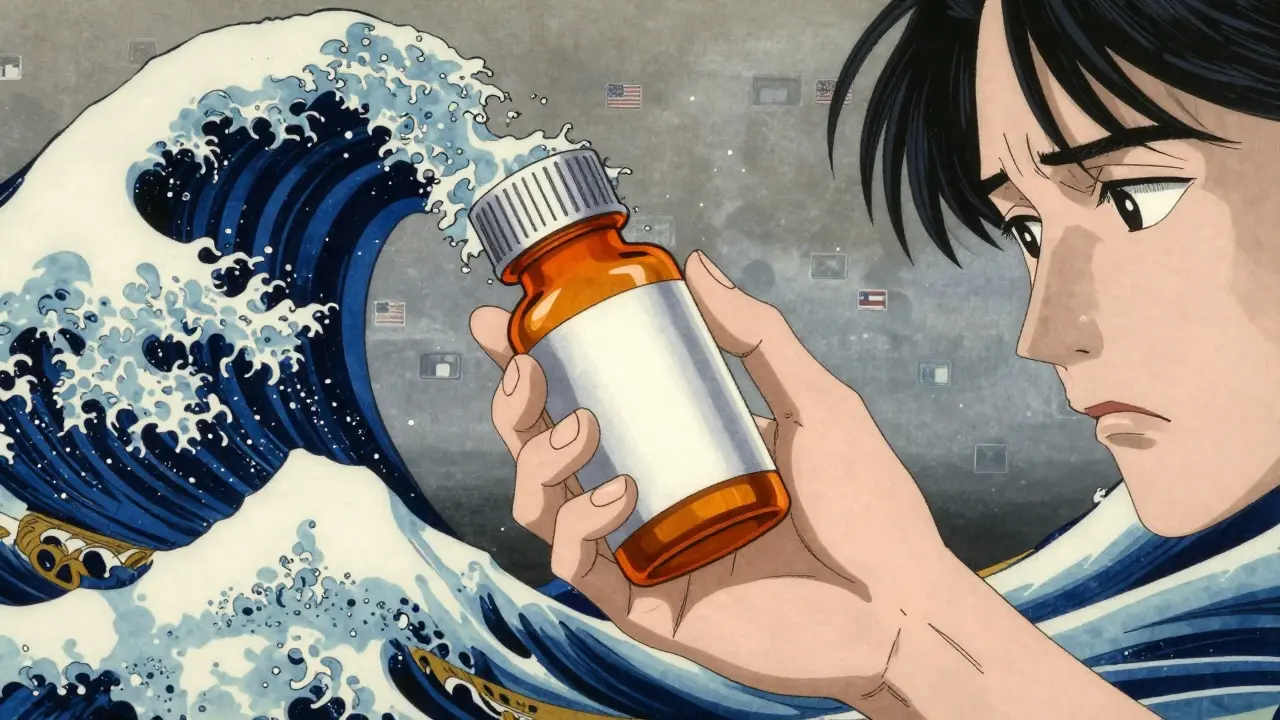
You’ve seen the ads. A smile makeover in Mexico for a fraction of the price. Hair restoration in Turkey that costs less than a single session back home. The savings are real-often 50% to 70%. But while you’re focused on the procedure and the vacation package, there’s a silent risk lurking in your carry-on luggage: the medication you’ll take home.
Medical tourism is booming. By 2033, the industry could be worth over $700 billion globally. Millions of people fly abroad every year for care that is either too expensive or unavailable at home. Yet, for many of these travelers, the journey doesn’t end when they step off the plane. It often gets more complicated. The biggest hurdle isn’t the surgery itself; it’s the medication safety issues that arise when you try to manage your recovery in a different country with different drug laws, different standards, and no easy way to talk to the doctor who cut you open.
The Hidden Cost of Savings
Let’s look at why people go. If you need dental work, bariatric surgery, or fertility treatment, going to Mexico can save you between 40% and 65%. In Turkey, hair transplants and eye surgeries are 50% to 70% cheaper. South Korea offers cosmetic procedures and cancer treatments at 30% to 55% below US prices. These aren't small numbers. For someone paying out of pocket, this difference changes lives.
But here is the catch. When you save money on the procedure, you might spend it on complications later. According to data from DelveInsight, about 26% of medical tourists face serious follow-up care issues. That means one in four patients struggles once they return home. Why? Because the system that prescribed their meds doesn’t exist where they live. You might have a prescription for an antibiotic or painkiller that is standard in Thailand but restricted or illegal in the UK or US. Suddenly, you’re in pain, risking infection, and scrambling to find a local doctor who understands what was done to you.
Why Your Prescription Might Not Work Abroad (or Back Home)
Medications are not universal. A pill called "Paracetamol" in the UK is "Acetaminophen" in the US. That’s just naming. The bigger issue is regulation. In some countries, drugs are approved faster because clinical trials move quicker. In others, quality control is lax. The World Health Organization estimates that in developing nations, up to 10% of medical products are substandard or falsified. That’s a terrifying statistic when you consider how many medical tourists visit emerging markets.
Even if the drug is genuine, the dosage might differ. European protocols often align with strict EU standards. Turkey, for instance, benefits from strong EU-aligned regulations, which makes medication safety slightly more predictable there compared to other regions. But in parts of Asia or Latin America, regulatory frameworks vary wildly. You might leave a clinic with a bottle of antibiotics that looks right but has inconsistent potency. Or worse, you might bring home a controlled substance that customs agents seize, leaving you without essential pain management during critical recovery days.
The Follow-Up Gap: Who Watches Your Meds?
This is the core problem. Healthcare is continuous. Medication safety relies on monitoring. If your liver enzymes spike because of a new drug, who checks? If you develop an allergic reaction to a topical cream used post-surgery, who treats it?
In medical tourism, the chain breaks. The surgeon in Bangkok sees you for three days. Then you fly home. Your GP in Bristol hasn’t seen your surgical notes. They don’t know what dose of blood thinner you were given. They hesitate to prescribe alternatives because they aren’t sure if it will interact with the foreign meds still in your system. This discontinuity leads to dangerous gaps. Patients stop taking meds because they can’t refill them. They double up on doses because instructions weren’t clear. They mix old prescriptions with new ones without professional advice.
Digital health records and telemedicine are helping close this gap. Some top-tier providers now offer video check-ins after you return home. They send digital summaries to your local doctor. But this is not standard practice. Most clinics operate in silos. Unless you explicitly arrange for continuity of care before you book, you are on your own.
How to Protect Yourself: A Practical Checklist
You don’t have to give up on medical tourism to stay safe. You just need to treat medication management as part of the trip planning. Here is how to do it:
- Talk to your home doctor first. Before you book anything, tell your primary care provider where you’re going and what procedure you want. Ask them to note in your file that you will be traveling for care. This ensures they are ready to pick up the baton when you return.
- Verify the facility’s accreditation. Look for Joint Commission International (JCI) accreditation. JCI standards cover pharmaceutical management. Hospitals with JCI accreditation are required to have strict protocols for storing, dispensing, and tracking medications. Thailand has over 100 JCI-accredited facilities, making it a relatively safer bet for complex care.
- Ask about generic equivalents. When discussing post-op meds, ask the surgeon: "Will these drugs be available in my home country?" If the answer is no, ask for a generic alternative that is widely used globally. Avoid proprietary blends or brand-name drugs that are unique to that region.
- Bring your own meds if possible. For chronic conditions like diabetes or hypertension, do not rely on buying supplies abroad. Bring enough medication for the entire trip plus two extra weeks. Keep them in their original packaging with pharmacy labels intact to avoid customs issues.
- Get everything in writing. Before you leave the hospital, get a detailed discharge summary. It must list every medication by its generic name, dosage, frequency, and duration. Take photos of the bottles. Save the receipts. This paper trail is vital for your local pharmacist to help you transition safely.
Navigating Customs and Legal Risks
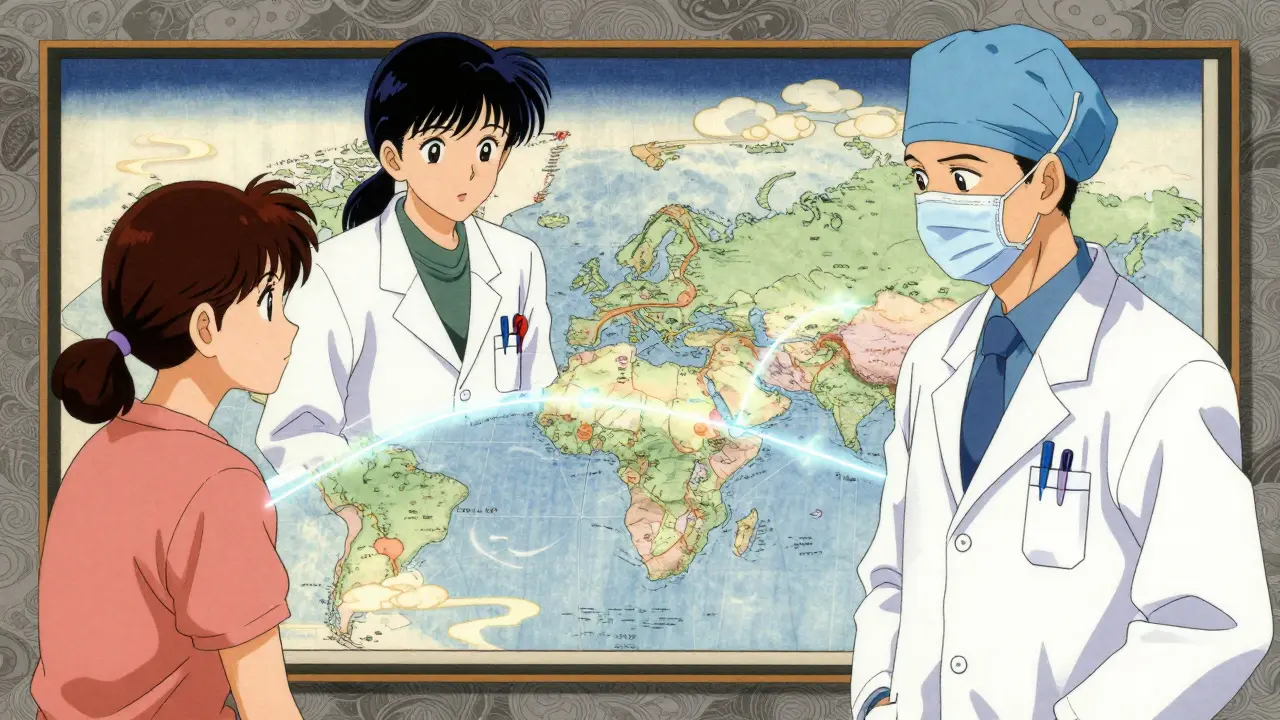
Bringing medication back across borders is a legal minefield. Many countries have zero-tolerance policies for certain substances. Even common painkillers containing codeine may require special permits. In the UK, for example, bringing in large quantities of prescription drugs can trigger investigations by Border Force.
To avoid trouble, always carry a letter from your treating physician explaining your condition and the necessity of the medications. Declare your meds at customs if required. Never mail medications to yourself from abroad; packages are frequently opened and inspected, and delays can ruin your recovery. If you are unsure about a specific drug’s legality in your home country, check with your national health authority or embassy before you pack.
The Future of Cross-Border Care
The industry is waking up to these risks. Providers are starting to adopt digital health records to ensure seamless support. AI-driven genetic profiling, like the system introduced at Seoul’s Severance Hospital in 2024, allows for more precise medication dosing based on your DNA. This reduces trial-and-error prescribing, which is huge for safety. However, these technologies only help if the data travels with you.
As the market grows toward $700 billion, we can expect more pressure on governments to harmonize pharmaceutical regulations. Until then, the burden falls on you. Medical tourism offers incredible value, but it demands incredible diligence. Don’t let a cheap procedure become an expensive lesson in medication safety. Plan ahead, verify credentials, and keep your home doctor in the loop. Your health is worth the extra paperwork.
Is it safe to buy prescription medication in another country?
It depends on the country and the drug. In nations with strict regulatory alignment like Turkey or those with JCI-accredited hospitals in Thailand, safety is higher. However, in many developing markets, up to 10% of medicines may be substandard. Always verify the source, bring your own meds for chronic conditions, and ensure any foreign prescriptions are legal to import into your home country.
What should I do if my local doctor won't refill a foreign prescription?
This is common due to liability and unfamiliarity with foreign brands. Provide your local doctor with the generic name of the drug, the dosage, and the reason for use. Ask them to prescribe a therapeutic equivalent available locally. Having a detailed discharge summary from your overseas surgeon helps bridge this gap.
Does JCI accreditation guarantee medication safety?
JCI accreditation sets high standards for pharmaceutical management, including storage, dispensing, and error prevention. While it doesn't eliminate all risks, it significantly reduces the likelihood of receiving counterfeit or improperly handled medications compared to non-accredited facilities.
Can I bring controlled painkillers back from medical tourism?
Only with proper documentation and often a permit. Many countries strictly regulate opioids and benzodiazepines. Check with your home country's customs agency and health department before traveling. Carry a doctor’s letter and keep meds in original packaging. Failure to comply can result in seizure of drugs or legal penalties.
How do I ensure continuity of care after returning home?
Arrange this before you go. Ask the overseas provider if they offer telemedicine follow-ups. Request a comprehensive digital record of your treatment, including all medications prescribed. Share this with your primary care provider immediately upon return so they can monitor for interactions and side effects.