
Understanding the Anatomy of Your Knee
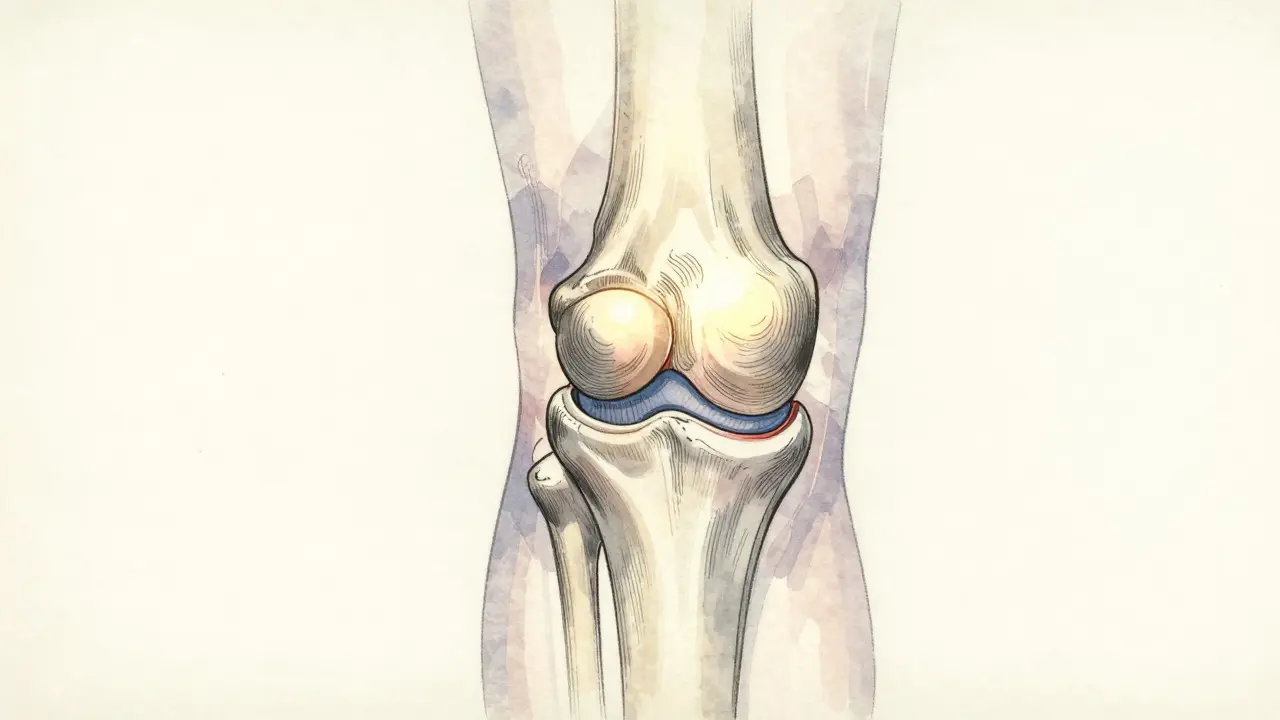
Your knee is a complex hinge joint that bears your entire body weight while allowing for rotation and movement. Two critical structures often fail during sports or sudden twists: the Anterior Cruciate Ligament (ACL) and the meniscus. The ACL is a strong band of tissue inside the knee that prevents your shinbone from sliding forward relative to your thighbone. It provides rotational stability, which is crucial for cutting and pivoting movements in sports like soccer, basketball, and skiing.
The meniscus consists of two C-shaped pieces of cartilage-the medial and lateral menisci-that sit between your thigh and shin bones. They act as shock absorbers, distributing load across the joint surface and reducing friction. While the ACL stabilizes the knee’s position, the meniscus protects the bone ends from grinding against each other. When either structure tears, the result is significant pain, swelling, and loss of function.
Recognizing the Signs of Injury
Knowing how an injury presents can help you seek timely care. ACL tears usually happen during non-contact deceleration or pivoting moves. About 90% of people with an ACL rupture hear or feel a loud "pop" at the moment of injury. Swelling typically occurs within two hours because the ligament bleeds into the joint space. You may also experience a sensation of instability, where the knee feels like it might give way when you try to pivot.
Meniscus injuries present differently. Instead of immediate swelling, you might notice gradual swelling over 6 to 24 hours. Common symptoms include mechanical issues such as catching, locking, or clicking sensations in the knee. Tenderness along the joint line-where the bones meet-is another hallmark sign. Unlike ACL injuries, meniscus tears don’t always cause immediate instability but can make walking or bending painful.
| Symptom | ACL Tear | Meniscus Tear |
|---|---|---|
| Swelling Timing | Within 2 hours | 6-24 hours later |
| Mechanical Sensations | Instability/giving way | Catching/locking/clicking |
| Pain Location | Deep inside knee | Along joint line |
| Audible Pop | Common (90%) | Rare |
Diagnostic Process and Imaging
If you suspect a knee injury, seeing a specialist early is key. Doctors start with a physical exam using tests like the Lachman test for ACL integrity and McMurray test for meniscus tears. However, imaging confirms the diagnosis. Magnetic Resonance Imaging (MRI) is the gold standard for visualizing soft tissues like ligaments and cartilage. An MRI can show whether the ACL is partially or completely torn and identify the type and location of a meniscus tear.
Meniscus tears are classified by their zone based on blood supply. The outer third, known as the red-red zone, has good blood flow and healing potential. The inner two-thirds, called the white-white zone, lacks blood supply and rarely heals on its own. This distinction heavily influences treatment decisions. For example, a tear in the vascular outer zone might be repaired surgically, while one in the avascular inner zone often requires removal of the damaged fragment.
Treatment Options: Surgery vs. Conservative Care
Not every knee injury needs surgery. For older adults or those with low activity levels, conservative management involving rest, ice, compression, elevation (RICE), and physical therapy may suffice. Studies suggest that 30-40% of meniscus tears can be managed without surgery, especially if they are small and not causing mechanical symptoms.
For active individuals under 40 who want to return to pivoting sports, ACL reconstruction is generally recommended. Waiting too long can lead to further damage to the meniscus or articular cartilage due to instability. Similarly, meniscus repairs are best performed within eight weeks of injury to maximize healing chances. Delaying beyond three months reduces repair eligibility significantly because the tissue degenerates over time.
Costs vary widely depending on procedure type and geographic location. ACL reconstruction averages $15,000-$25,000, while arthroscopic meniscectomy ranges from $6,000-$12,000. Meniscus repair falls somewhere in between at $9,000-$18,000. These figures include surgeon fees, anesthesia, and facility costs but exclude rehabilitation expenses.
Surgical Techniques and Graft Choices
When surgery is necessary, arthroscopy-a minimally invasive technique using small incisions and a camera-is standard. For ACL reconstruction, surgeons replace the torn ligament with a graft. Autografts taken from your own body (hamstring tendon or patellar tendon) have lower re-tear rates compared to allografts from donors, particularly in patients under 25 years old.
Hamstring autografts offer less donor-site pain but slightly higher laxity risk, whereas patellar tendon grafts provide stronger fixation but more anterior knee pain post-op. Allografts allow faster initial recovery but carry a higher failure rate in young athletes. Synthetic grafts remain experimental and account for less than 5% of cases due to long-term durability concerns.
For meniscus injuries, surgeons aim to preserve as much tissue as possible through repair rather than removal. Repair techniques include all-inside sutures or inside-out methods depending on tear pattern and location. Simple tears heal better than complex ones, with success rates dropping from 89% for peripheral tears to 43% for mid-substance tears.

Rehabilitation Timeline and Expectations
Post-surgery rehab is just as important as the operation itself. ACL reconstruction requires about nine months before returning to competitive sports. Rushing back increases reinjury risk dramatically-up to 18% higher if returned before nine months versus traditional timelines. Early phases focus on restoring full extension and achieving 90 degrees of flexion within two weeks. By month four, jogging begins, progressing to agility drills by month six.
Meniscus repair demands stricter protection initially. Patients wear a brace locked at 0-90 degrees for six weeks with partial weight-bearing only. Full weight-bearing resumes gradually after week seven, with cutting drills introduced around month five. Meniscectomy allows quicker return to light activities within 2-4 weeks, though complete recovery takes 6-8 weeks.
- Weeks 0-2: Control swelling, regain full extension, achieve 90° flexion.
- Weeks 3-6: Increase range of motion to 120°, begin single-leg balance exercises.
- Months 2-4: Strengthen quadriceps and hamstrings, introduce stationary cycling.
- Months 4-6: Start jogging, progress to straight-line running and basic agility work.
- Months 6-9: Sport-specific training, plyometrics, clearance testing for return-to-play.
Long-Term Outlook and Osteoarthritis Risk
Even successful surgeries come with long-term considerations. Approximately 20-30% of patients develop osteoarthritis within ten years following ACL injury, regardless of surgical intervention. Each percentage point of meniscus removed correlates with a 14% increased risk of developing arthritis later in life. Preserving meniscal tissue whenever possible helps mitigate this risk.
Prehabilitation before surgery improves outcomes significantly. Six weeks of quad strengthening targeting 10% greater strength than the uninjured leg reduces postoperative weakness from 22% to 8%. Neuromuscular training programs like FIFA 11+ can reduce ACL incidence by up to 50% in high-risk populations, emphasizing prevention alongside treatment.
How long does it take to recover from ACL surgery?
Full recovery from ACL reconstruction typically takes 9 to 12 months. Most patients return to daily activities within 3-4 months, but returning to pivoting sports requires waiting until at least 9 months to minimize reinjury risk. Physical therapy plays a crucial role throughout this process.
Can a meniscus tear heal without surgery?
Yes, approximately 30-40% of meniscus tears respond well to conservative treatment including rest, anti-inflammatory medications, and physical therapy. Small tears located in the vascular outer zone have better healing potential. Larger or displaced tears often require surgical intervention.
What is the difference between meniscectomy and meniscus repair?
Meniscectomy involves removing the damaged portion of the meniscus, offering quicker recovery but increasing future arthritis risk. Meniscus repair preserves the tissue by stitching it back together, requiring longer rehabilitation but protecting against degenerative changes. Repair is preferred when feasible based on tear location and patient age.
Which graft option is best for ACL reconstruction?
Autografts from hamstring or patellar tendon tend to perform better in younger athletes under 25, showing lower re-tear rates. Patellar tendon grafts provide stronger fixation but cause more anterior knee pain. Hamstring grafts offer less donor-site discomfort but may have slightly higher laxity. Allografts suit older or less active patients seeking faster initial recovery.
Does delaying knee surgery worsen outcomes?
Delaying ACL surgery can lead to secondary meniscus or cartilage damage due to ongoing instability. For meniscus repairs, waiting beyond 3 months reduces eligibility by 60% due to tissue degeneration. Early evaluation ensures optimal timing for intervention and maximizes chances of successful preservation procedures.