
Brown Bag Medication Checklist
What to Bring for Your Review
Use this checklist to make sure you have everything ready before your appointment. Remember: Don't forget any medications - even if you think they're "not important."
Medication Review Checklist
Bring prescription, OTC, vitamins, supplements, creams, inhalers, patches, etc.
Write down morning, evening, with food, as needed
"Why am I taking this?" "Is this still needed?" "Can I stop any?"
Even if you bring bottles, a written list helps providers
Polypharmacy Risk Assessment
Your medication review could help identify potential risks:
Over half of adults over 65 take five or more medications. Polypharmacy (taking 5+ meds) affects 44.6% of seniors and increases risk of dangerous interactions.
Imagine this: you’re sitting in your doctor’s office, trying to remember every pill you take. You list your prescriptions, but forget the aspirin you take for your knee. You leave out the turmeric capsules your daughter gave you for inflammation. You don’t mention the sleep aid you only use when you can’t rest. By the time you finish, you’ve missed half your meds. And that’s exactly why so many older adults end up in the hospital - not because of a bad diagnosis, but because of a simple mistake in their medicine cabinet.
What Is a Brown Bag Medication Review?
A Brown Bag Medication Review is exactly what it sounds like. You gather every medication you take - prescriptions, over-the-counter pills, vitamins, herbal supplements, even creams and inhalers - and put them all in a brown paper bag. Then you bring that bag to your doctor or pharmacist for a full, honest look at what you’re actually taking. It’s not a quick check. It’s a 30- to 45-minute deep dive into your health, designed to catch mistakes before they hurt you.
This practice started in the U.S. in 1982, when pharmacists handed out brown grocery bags to patients so they could collect their meds for review. The name stuck. Today, it’s a proven tool for preventing dangerous drug interactions, cutting out unnecessary pills, and helping people understand why they’re taking each medicine. In the UK, pilot programs in places like Bexley and Greenwich have shown it works - especially for seniors who juggle five or more medications daily.
Why This Matters for Seniors
Over half of adults over 65 take five or more medications. That’s not just common - it’s a ticking time bomb. Each extra pill adds risk. One study found that 68.3% of seniors who brought their brown bag to a review had at least one dangerous issue: duplicate drugs, harmful combinations, pills with no clear purpose, or doses that were too high.
One man in a London clinic was feeling dizzy and tired. He thought it was just aging. His brown bag revealed he was taking two different beta blockers - one from his heart doctor, another from his GP. Both did the same thing. He was doubling his dose. That’s not rare. It’s normal. Another woman was taking three different sleeping pills from three different doctors. No one knew the others were prescribing them. She was at risk of falling, confusion, even coma.
Polypharmacy - taking five or more meds - affects 44.6% of seniors. And the problem isn’t just the number of pills. It’s the confusion. Many don’t know why they’re taking them. They take what’s in the bottle because “the doctor said so,” even if the doctor changed their mind years ago.
What to Put in the Bag
Don’t guess. Bring everything. No exceptions.
- All prescription medications - pills, liquids, patches, inhalers, eye drops, creams
- All over-the-counter drugs - painkillers, antacids, cold meds, allergy pills
- All vitamins and supplements - multivitamins, calcium, fish oil, magnesium
- All herbal remedies - echinacea, ginkgo, St. John’s wort, garlic pills
- All medications you don’t take regularly - weekend painkillers, travel sleep aids, occasional laxatives
Don’t leave anything behind because you think it’s “not important.” That’s how mistakes happen. Even a single herb like St. John’s wort can mess with blood pressure meds, antidepressants, or blood thinners. And if you’re taking something your cousin swears by, your doctor needs to know - even if it’s not on a prescription.
Bring the actual bottles, not just a list. Labels have dosages, expiration dates, and warnings. A list you write from memory? Studies show 80-87% of them are wrong. The brown bag method gets it right 92-95% of the time.
How to Prepare for the Review
Don’t wing it. Preparation makes the difference between a useful appointment and a wasted hour.
- Set aside time the day before. Don’t wait until the morning of your appointment.
- Open every medicine cabinet, drawer, and purse. Check under the sink, in the fridge, even the glove compartment of your car.
- Don’t throw anything away. Even empty bottles or half-used tubes belong in the bag.
- Write down when you take each thing - morning, night, with food, as needed.
- Bring a list of questions: “Why am I taking this?” “Is this still needed?” “Can I stop any of these?”
Some people feel embarrassed. They’ve hoarded meds for years. They’re afraid the doctor will think they’re irresponsible. But here’s the truth: doctors see this every day. They’re not judging. They’re saving lives. One nurse on Reddit shared how she caught a 78-year-old patient taking three sedatives at once - a mix that could have killed him. The patient didn’t know. No one had asked.
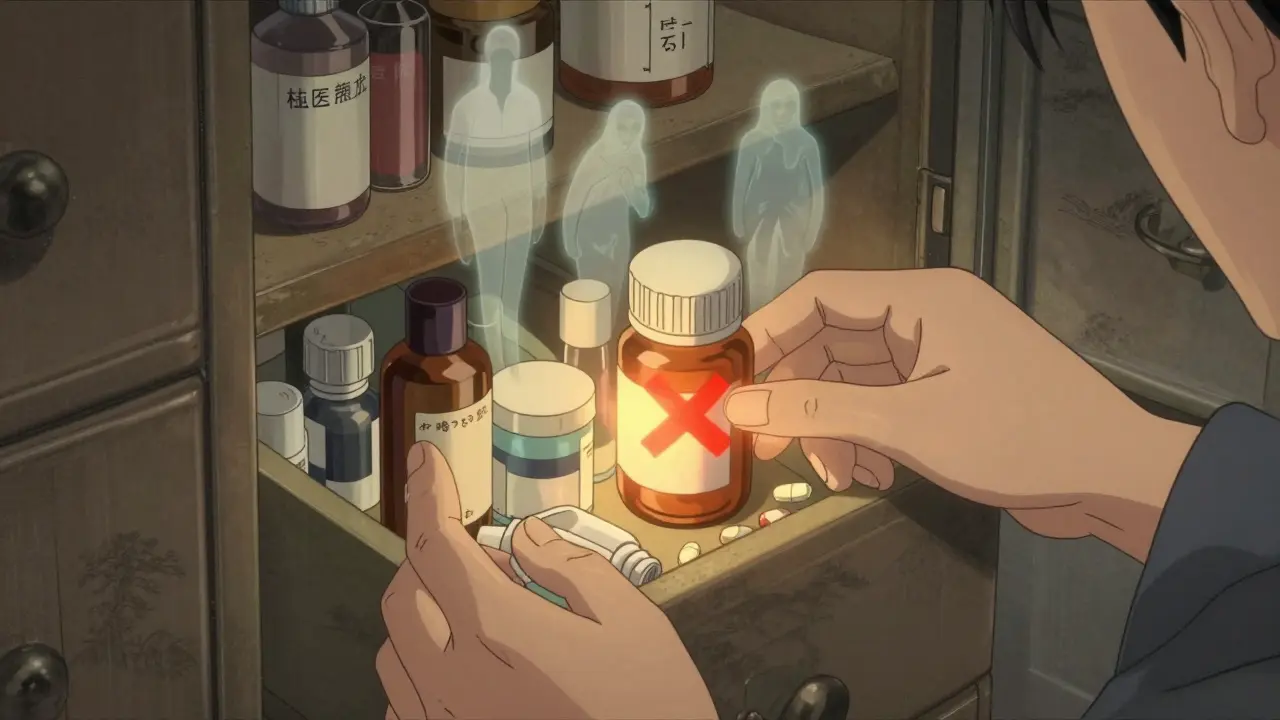
What Happens During the Review
The provider will lay out everything on the table. They’ll check:
- Are any pills duplicates? (Two drugs doing the same job)
- Are there dangerous interactions? (Like blood thinners with herbal supplements)
- Are any meds outdated? (Expired pills, or ones no longer needed)
- Is the dose right? (Too high? Too low?)
- Is there a clear reason for each pill? (If not - it might be cut)
- Is the regimen too complex? (Too many pills at different times = easy to miss)
They’ll also check expiration dates. Many seniors keep meds past their expiry, thinking they’re still good. They’re not. And they can be dangerous.
The best part? You’ll get a new, clean list. One that says exactly what to take, when, and why. You’ll leave with fewer pills, not more. In the Bexley and Greenwich pilot, 63.8% of patients had at least one unnecessary medication stopped. That’s less clutter, fewer side effects, lower risk.
Why a List Isn’t Enough
You might think, “I’ll just write down my meds.” But here’s the hard truth: people are terrible at remembering.
A 2016 AHRQ study found that out of 10-15 patients who tried to list their meds from memory, only two got it right. That’s an 80% failure rate. Electronic lists aren’t much better - only 45-60% accurate. Why? People forget. They don’t know what counts. They think “I only take it sometimes, so it doesn’t matter.”
Physical review beats memory every time. Pills don’t lie. Bottles don’t forget. The brown bag is the only way to see the full picture.
What to Do After the Review
The review isn’t over when you leave the office. It’s just starting.
- Get a printed copy of your updated list. Ask for a digital copy too.
- Update your pharmacy. Make sure they have the new list.
- Set up pill organizers if needed. Simplify your routine.
- Tell your family or caregiver what changed. They need to know.
- Keep the brown bag for next year. Revisit it every 6-12 months.
Don’t stop taking anything until your provider says so. Even if a pill is listed as “no longer needed,” stopping suddenly can be dangerous. Always follow their instructions.

Barriers and How to Overcome Them
Not everyone does this. Only 38.5% of seniors bring their meds to appointments without a nudge. Why?
- Inconvenience: Gathering everything feels like a chore. Solution: Do it the night before. Make it part of your routine.
- Embarrassment: “I have too many pills.” Solution: Remember - your doctor has seen this a hundred times. They’re not judging. They’re helping.
- Confusion: “What counts as a medication?” Solution: Bring everything. Better safe than sorry.
- Forgetfulness: “I forgot my insulin pens.” Solution: Use a checklist. Tape one to your fridge.
Healthcare providers can help too. Sending appointment cards, making reminder calls, or even giving out free brown bags increases compliance by up to 31%. If you’re helping an older relative, do the prep work for them. Gather the bag. Drive them. Sit with them. It’s not a burden - it’s a lifesaver.
The Bigger Picture
This isn’t just about pills. It’s about safety. Medication errors cause up to 20% of hospital admissions in older adults. That’s 1 in 5. And most of those are preventable.
Medicare Advantage plans now pay providers $45.75 per Brown Bag Review. Kaiser Permanente and Mayo Clinic require them for all patients over 65. By 2026, every Medicare Annual Wellness Visit will need a documented medication review. The system is catching up. But you don’t have to wait.
If you’re over 65, or care for someone who is - don’t wait for your doctor to suggest it. Ask for it. Say: “Can we do a Brown Bag Medication Review?”
It’s free. It’s simple. And it could be the most important 45 minutes of your year.
Technology Can Help - But Not Replace
Apps that scan pills with your phone are getting better. CVS Health’s pilot program combined brown bag reviews with smartphone scanning - and saw a 34.7% boost in medication adherence. AI tools can now cross-check your pills with your medical records in seconds.
But here’s the catch: 41.3% of dangerous errors involve meds that aren’t in any electronic system. Herbal teas. Grandpa’s leftover antibiotics. That ginkgo supplement from the health food store. Only the brown bag catches those.
Use tech to help. But never skip the bag.
What exactly counts as a medication for a Brown Bag Review?
Everything you take regularly or occasionally - prescriptions, over-the-counter pills, vitamins, supplements, herbal remedies, creams, inhalers, patches, eye drops, even liquid medicines. If you put it in your mouth, on your skin, or breathe it in, bring it. Don’t leave anything out, even if you think it’s “just a natural remedy.”
Do I need to bring empty bottles or expired meds?
Yes. Empty bottles show you were taking something. Expired meds tell your provider if you’ve been using old pills - which can be dangerous. Even if they’re useless now, they’re part of your history. Bring them all.
Can my pharmacist do this instead of my doctor?
Absolutely. Pharmacists are trained to spot drug interactions and unnecessary meds. Many offer free Brown Bag Reviews. In fact, the American Pharmacists Association says pharmacists can reduce costs and improve safety by leading these reviews. Ask your local pharmacy - they might already offer it.
How often should I do a Brown Bag Review?
At least once a year - and anytime your medications change. If you start or stop a drug, see a new doctor, or go to the hospital, schedule a review right after. Seniors on five or more meds should do it every six months.
What if I can’t get to the appointment with my meds?
Ask if you can bring them the day before, or if someone else can drop them off. Some clinics offer home visits for homebound patients. If you’re helping a loved one, do the gathering for them. Write down what’s in each bottle. Take a photo of the labels. That’s better than nothing - but never better than the real bag.
Will my insurance cover this?
Yes - if you’re on Medicare, most Medicare Advantage plans pay for it. Even traditional Medicare covers medication reviews during Annual Wellness Visits. Many private insurers cover it too. Don’t assume it’s not covered - ask. The cost is often $0 if it’s part of your wellness visit.
Next Steps for You
Here’s what to do right now:
- Find your brown paper bag. Or use any bag - color doesn’t matter.
- Go through every drawer, cabinet, and purse in your home.
- Collect every pill, bottle, patch, and supplement.
- Call your doctor or pharmacist and ask: “Can we schedule a Brown Bag Medication Review?”
- Bring the bag. Ask questions. Get a new list.
It’s not about being perfect. It’s about being safe. One review can stop a hospital stay. One bag can save a life.
Marilyn Ferrera
January 1, 2026 AT 09:59Robb Rice
January 1, 2026 AT 18:00Harriet Hollingsworth
January 2, 2026 AT 02:01Deepika D
January 2, 2026 AT 15:01Bennett Ryynanen
January 3, 2026 AT 02:57Chandreson Chandreas
January 3, 2026 AT 07:22Darren Pearson
January 3, 2026 AT 16:52Stewart Smith
January 4, 2026 AT 17:38Retha Dungga
January 5, 2026 AT 22:22Jenny Salmingo
January 7, 2026 AT 11:05Aaron Bales
January 8, 2026 AT 23:46Lawver Stanton
January 10, 2026 AT 19:35Sara Stinnett
January 12, 2026 AT 02:11linda permata sari
January 12, 2026 AT 22:14