
Swelling in your hands or feet might seem like a minor annoyance-maybe you wore tight shoes, sat too long, or had a salty meal. But if it’s new, persistent, or comes with other symptoms, it could be your body warning you about a medication you’re taking. Around 5 to 10% of people on certain drugs experience this kind of swelling. For some, it’s just uncomfortable. For others, it’s a sign something more serious is happening inside.
What’s Actually Going On?
Not all swelling is the same. There are two main types linked to medications, and they look and feel very different.The first is pedal edema-swelling in the ankles and feet. It’s often caused by drugs that widen your blood vessels, like calcium channel blockers (amlodipine, nifedipine), gabapentin, or nitrates. These medications lower blood pressure by relaxing arteries, but that same effect can let fluid leak out into your tissues. You’ll notice both feet swell evenly, and the skin might dent when you press it (that’s called pitting). It usually gets worse as the day goes on and improves after lying down overnight. About 15% of people taking 10mg of amlodipine get this, and it’s the number one reason people stop taking these blood pressure pills.
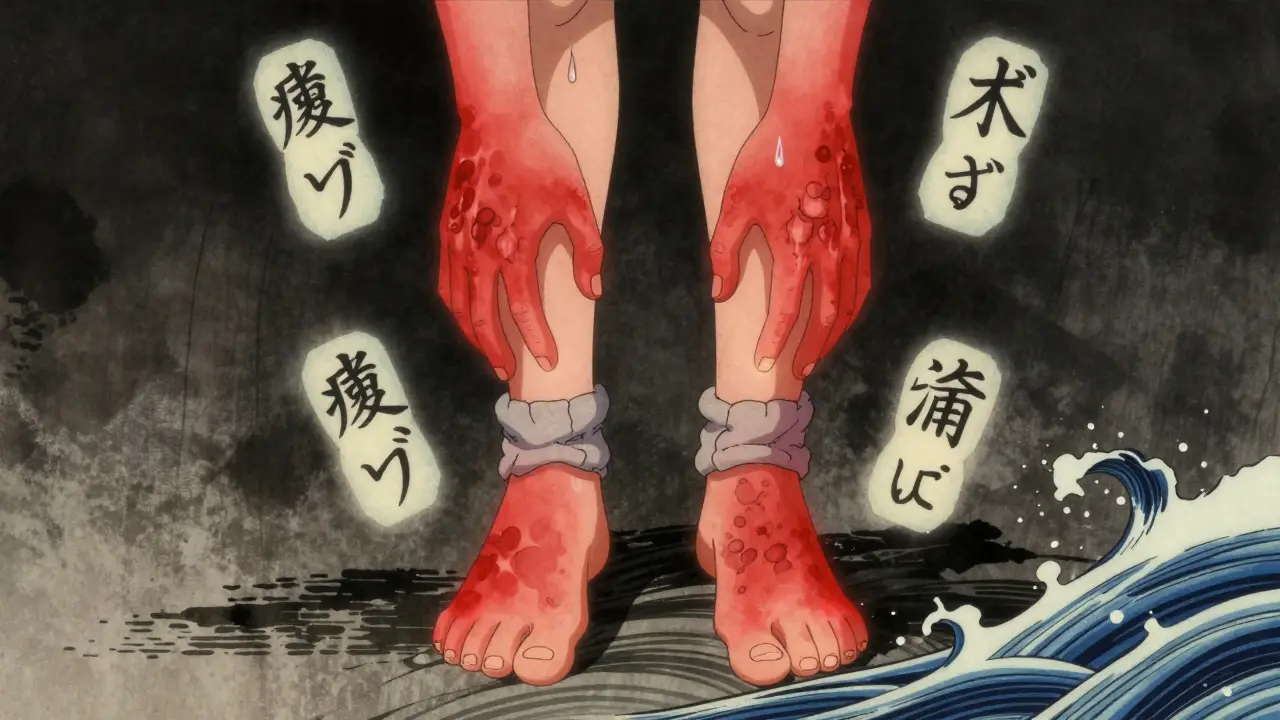
The second type is hand-foot syndrome (also called palmar-plantar erythrodysesthesia). This one hits the palms and soles. It starts with redness, tingling, or numbness, then can turn into painful swelling, peeling skin, or even blisters. It’s most common with chemotherapy drugs like capecitabine-up to 60% of patients on this drug get it. Unlike pedal edema, this isn’t about fluid leakage from blood vessels. It’s the drug damaging the skin cells in your hands and feet.
Which Medications Are Most Likely to Cause It?
Some drugs carry a much higher risk than others. Here’s what the data shows:- Calcium channel blockers (amlodipine, diltiazem): 5-15% risk, depending on dose. Higher doses = more swelling.
- NSAIDs (ibuprofen, naproxen): 1-3% risk with long-term use. They mess with kidney function, making you hold onto sodium and water.
- Corticosteroids (prednisone): Can cause fluid retention, especially with daily use over weeks.
- Thiazolidinediones (pioglitazone, rosiglitazone): Used for diabetes. About 5% of users get noticeable swelling within 3 months.
- Chemotherapy agents (capecitabine, doxorubicin, paclitaxel): Up to 60% risk for hand-foot syndrome.
- Gabapentin/pregabalin: Often prescribed for nerve pain. Swelling in feet and ankles is a common complaint.
What’s surprising? Even if you’re on a drug that doesn’t usually cause swelling, adding another medication can trigger it. For example, taking an NSAID with a blood pressure pill can double your risk. That’s why doctors need to see your full list-not just the main one.
When to Call Your Doctor Right Away
Not every bit of swelling needs an emergency visit. But some signs mean you should act fast:- Swelling is only on one side (one foot, one hand). This could be a blood clot (deep vein thrombosis), which can break loose and cause a life-threatening pulmonary embolism.
- Swelling comes with chest pain, shortness of breath, or rapid heartbeat. This might mean your heart isn’t pumping well-fluid is backing up into your lungs.
- You gain more than 2 pounds in 24 hours or 5 pounds in a week. That’s not just water weight-it’s your body holding onto fluid because your heart, kidneys, or liver are struggling.
- Your skin is blistering, breaking open, or turning dark. That’s Grade 3 hand-foot syndrome. It can lead to infection and force you to stop chemotherapy.
- You’re peeing less than 500 mL a day. Your kidneys aren’t flushing out fluid like they should.
- The swelling started within 72 hours of starting a new drug. There’s a 78% chance it’s related, according to NIH data.
If you’re on chemotherapy and your hands feel like they’re burning or you can’t grip a toothbrush, call your oncologist the same day. Delaying can mean your treatment gets paused or changed-and you lose valuable time.
What Doctors Do When You Bring It Up
Your doctor won’t just tell you to “elevate your feet.” They’ll look at your whole picture: what meds you’re on, your heart and kidney function, your weight trends, and how the swelling affects your daily life.For calcium channel blocker swelling, the most common fix is switching to another blood pressure drug-like an ACE inhibitor or ARB. Studies show 85% of people see improvement within two weeks. Sometimes, they’ll lower the dose. For example, dropping amlodipine from 10mg to 5mg cuts swelling risk from 15% to just 4%.
If you’re on chemotherapy and get hand-foot syndrome, the first step is usually reducing the dose. There’s no magic pill to fix it, but some patients find relief with:
- Applying thick moisturizers (urea 10% cream) twice daily
- Wearing loose, padded shoes
- Avoiding hot water, friction, or heavy pressure on hands and feet
But here’s the truth: vitamin B6, arnica gel, or other supplements? The science doesn’t back them up. A Cochrane review of eight studies found vitamin B6 didn’t help. Arnica showed a small benefit in one small trial, but it’s not part of official guidelines.
What You Can Do at Home
While you wait for your appointment or follow your doctor’s plan, these steps help:- Elevate your feet for 30 minutes, three times a day. Keep them higher than your heart. This can reduce swelling by 15% in two days.
- Watch your salt. Cut sodium to under 2,300mg a day. That’s about one teaspoon of salt. Processed foods, canned soups, and restaurant meals are the biggest culprits.
- Wear compression socks (20-30 mmHg pressure). They don’t cure it, but they help your veins push fluid back up. A 2021 study showed a 40% drop in swelling severity.
- Move gently. Walk, swim, or do light cycling. Movement helps your muscles pump fluid back toward your heart.
- Take diuretics at the right time. If your doctor prescribes a water pill, take it in the morning. No one wants to wake up three times a night to pee.
- Check your shoes. Swollen feet need room. Buy shoes with 1-1.5 cm extra depth. Don’t force your feet into tight sandals or heels.
Why People Wait Too Long
A 2023 survey by the National Edema Foundation found that 55% of people with medication-induced swelling didn’t call their doctor right away. Why? They thought it was normal. They figured it was just aging. Or they didn’t want to bother their doctor.That delay is dangerous. The FDA found that 37% of serious cases-like heart failure or blood clots-happened because people waited an average of 8.2 days to get help.
One patient on Reddit described it perfectly: “My socks left marks that lasted all day. I thought it was just from sitting too much. By the time I called, my ankles were so swollen I couldn’t walk without pain.”
Don’t be that person. If something feels off, speak up.

Can It Be Prevented?
Sometimes. For high-risk drugs, doctors now start at lower doses. Starting amlodipine at 2.5-5mg instead of 10mg cuts swelling risk by 60%. For chemotherapy patients, using urea cream on palms and soles twice daily can reduce hand-foot syndrome by 25%.But prevention isn’t perfect. Some people will still swell, no matter what. That’s why early recognition matters more than trying to avoid it entirely. If you know the signs, you can catch it before it becomes a crisis.
What Happens If It’s Not Treated?
Most cases resolve within four weeks after adjusting the medication. But if left alone:- Chronic swelling can damage skin and lead to ulcers.
- Fluid overload can strain your heart and kidneys.
- Hand-foot syndrome can force you to stop life-saving cancer treatment.
- Unrecognized blood clots can become fatal.
About 11% of people with long-term swelling develop chronic lymphedema, which requires lifelong management.
On the bright side: 89% of cases improve with the right changes. You don’t have to live with it.
Can hand and foot swelling from medication go away on its own?
Sometimes, but not reliably. If the swelling is caused by a medication, it usually won’t disappear until you adjust or stop the drug. Waiting for it to resolve on its own can lead to worsening symptoms or complications. Always talk to your doctor before making any changes.
Is swelling in hands and feet always a sign of a serious problem?
Not always, but it should never be ignored. Mild swelling after standing all day or eating salty food is common. But if it’s new, persistent, asymmetrical, or comes with other symptoms like shortness of breath or skin changes, it could signal a drug reaction, heart issue, or blood clot. When in doubt, get it checked.
Which over-the-counter remedies help with medication-induced swelling?
There’s no proven OTC cure. Elevating your legs, wearing compression socks, and cutting salt are the most effective steps. Avoid diuretics like herbal teas or supplements unless prescribed-they can be dangerous if you have kidney or heart issues. Topical creams like urea may help with hand-foot syndrome, but vitamin B6 and arnica lack strong evidence.
How long does it take for swelling to go down after stopping the medication?
It varies. For calcium channel blocker swelling, most people see improvement in 1-2 weeks after switching drugs. Hand-foot syndrome from chemotherapy may take longer-up to 3-4 weeks-especially if the skin is damaged. In some cases, swelling lingers for months if the nerves or lymph system were affected. Patience and proper care are key.
Can I still take my medication if I have mild swelling?
Maybe-but only under medical supervision. Mild swelling doesn’t always mean you need to stop the drug. Your doctor might lower the dose, add a diuretic, or suggest lifestyle changes. Never stop a medication on your own, especially for conditions like high blood pressure or cancer. The risks of stopping without guidance can be greater than the swelling itself.
Should I get blood tests if I have swelling from meds?
Often, yes. Your doctor may check kidney function (creatinine, eGFR), liver enzymes, and heart markers (BNP or NT-proBNP) to rule out organ-related causes. Swelling can be a sign your kidneys aren’t filtering properly or your heart is struggling. Blood tests help pinpoint whether it’s the drug or an underlying condition.
What Comes Next
If you’re experiencing swelling and you’re on any of these medications, don’t wait. Write down when it started, what you were doing when you first noticed it, and whether anything makes it better or worse. Bring that info to your doctor. They need those details to make the right call.Swelling isn’t something to tough out. It’s your body’s way of saying: ‘Something’s off.’ Whether it’s a simple dose change or a serious signal, getting help early makes all the difference.
Andy Heinlein
January 2, 2026 AT 16:20my ankles swell like balloons after i take ibuprofen for my back and i just thought it was me being old. turns out i’m not crazy, just dumb for not asking sooner.
Matthew Hekmatniaz
January 4, 2026 AT 07:37Been on amlodipine for 3 years. Started at 10mg, feet looked like overinflated beach balls by month 4. Switched to lisinopril after my pharmacist mentioned it’s a known side effect. Swelling gone in 10 days. Docs don’t always warn you - you gotta be your own advocate.
gerard najera
January 5, 2026 AT 23:50Swelling isn’t a side effect - it’s a signal. Your body’s not broken. The drug is.
Phoebe McKenzie
January 7, 2026 AT 14:08Of course the pharma giants don’t warn you. They make billions off people like you who just take the pill and don’t question it. They want you dependent. Read the FDA’s own adverse event reports - it’s all there if you bother to look.
Stephen Gikuma
January 8, 2026 AT 19:43They’re hiding this on purpose. Why do you think the CDC changed the sodium guidelines right after the big pharma lobby got involved? Swelling? It’s not the meds - it’s the water fluoridation + glyphosate in your food. Your kidneys are being poisoned by the system.
Ann Romine
January 9, 2026 AT 20:33I had hand-foot syndrome on chemo. The urea cream helped more than anything. My oncologist didn’t mention it until I brought up Reddit threads. Sometimes doctors don’t know the practical stuff - you have to dig.
Bobby Collins
January 11, 2026 AT 03:59my mom’s feet swelled after she started blood pressure med. she ignored it for 6 months. then she had a stroke. they said it was ‘unrelated.’ i don’t believe in coincidences anymore.
Austin Mac-Anabraba
January 11, 2026 AT 03:59Let’s be clear: this post is a masterclass in medical gaslighting disguised as education. You list all the drugs that cause edema, then tell people to ‘talk to their doctor’ like that’s a solution. But doctors are incentivized to keep you on the drug - they get paid per prescription, not per outcome. The real fix? Stop taking the damn thing. Not ‘switch to an ARB.’ Not ‘lower the dose.’ Just stop. Your body isn’t broken - the pharmaceutical industry is.
And don’t get me started on ‘compression socks.’ That’s a Band-Aid for a bullet wound. You’re treating symptoms while the poison keeps flowing. The only ethical choice is to demand alternatives - or go off-grid with herbal protocols that Big Pharma doesn’t control.
And yes, vitamin B6 might not have ‘strong evidence’ - but neither did the link between smoking and lung cancer in 1950. Science is a tool of power. Question everything.
Stop trusting the system. Start trusting your body. It’s been screaming. You just stopped listening.