
Switching a patient from a brand-name NTI drug to a generic version isn’t just a pharmacy transaction. It’s a clinical decision that requires clear, confident communication - because even tiny changes in blood levels can mean the difference between control and crisis.
Why NTI Drugs Are Different
NTI drugs - drugs with a narrow therapeutic index - work in a very small window. Too little, and the treatment fails. Too much, and it becomes toxic. For example, warfarin’s target INR range is 2-3. If it drops to 1.8, a clot could form. If it climbs to 3.5, a bleed could start. Phenytoin? A level below 10 mcg/mL might not stop seizures. Above 20 mcg/mL, it causes dizziness, nausea, or even coma. Digoxin? The difference between healing and heart failure is less than 0.4 ng/mL. These aren’t like antibiotics or blood pressure pills. With NTI drugs, switching brands or generics isn’t just about cost. It’s about precision. The FDA requires stricter testing for these drugs. While regular generics must show bioequivalence within 80-125%, NTI generics must stay within 90-111.11%. For some, like levothyroxine, the standard is even tighter: 95-105% for AUC. That means the amount of active drug in the bloodstream must be nearly identical - no room for guesswork.Why Patients Are Worried
Even when the science says generics are safe, patients hear stories. A neighbor’s seizure returned after switching. A relative’s INR went wild. A pharmacist said, “Some doctors don’t trust generics for these.” A 2017 survey found that 94% of pharmacists believed NTI generics were safe - but only 60% routinely substituted them. Why? Because they’ve seen the anxiety. Patients who’ve been stable on a brand for years don’t want to risk change. And honestly? Many providers don’t know how to explain it well. The fear isn’t always irrational. A 2018 Harvard study found that 8-12% of well-controlled epilepsy patients had breakthrough seizures after switching to a generic antiepileptic. Not because the generic was bad - but because the body had adapted to a specific formulation. Even small differences in absorption, fillers, or release patterns can trigger a response in sensitive systems.What You Must Say - And How to Say It
Don’t just say, “This is the same drug.” That’s not enough. Patients need context, reassurance, and clear next steps. Start with trust: “I recommend this generic for you. It contains the exact same medicine, it’s been tested to work just as well, and I prescribe it for my own family.” That personal touch changes everything. People don’t trust data - they trust people. Then explain the science simply: “This generic has been tested to deliver the same amount of medicine into your bloodstream as the brand. The FDA requires it to be within 90-111% - that’s tighter than most drugs. We’re not guessing. We’re using a version that’s proven to be safe.” But don’t stop there. Always say: “We’ll check your levels in a week or two to make sure everything’s still on track.” That’s not a warning - it’s a safety net. It tells the patient you’re not handing them a new pill and walking away. You’re watching.When to Monitor - And How
Monitoring isn’t optional. It’s part of the switch. Here’s what the guidelines say:- Warfarin: Check INR within 3-5 days after the switch. Some patients need a second check at 7 days.
- Phenytoin, carbamazepine, valproic acid: Check serum levels within 7-10 days. Watch for new tremors, drowsiness, or mood changes.
- Digoxin: Check blood levels at 5-7 days. Look for nausea, vision changes, or irregular heartbeat.
- Levothyroxine: Check TSH in 4-6 weeks. Symptoms like fatigue or weight gain may appear slowly.

State Laws Matter - And So Do Pharmacists
In 27 states, there are special rules for NTI drug substitution. Fourteen require written patient consent before switching. In some, the pharmacist must call the prescriber first. In others, substitution is banned unless the patient agrees in writing. Pharmacists are your partners here. If a patient picks up a generic NTI drug, the pharmacist should have already counseled them - ideally for at least 10 minutes, using teach-back: “Can you tell me what you’ll watch for?” A 2023 study found that patients who saw visual aids - like a chart showing blood level ranges - had 42% higher adherence than those who just got verbal instructions. Use simple diagrams. Print a one-pager. Even a hand-drawn sketch on a notepad helps.Who Needs Extra Care?
Not all patients are the same. Some are at higher risk:- Elderly patients (65+): Slower metabolism, more drug interactions, harder to notice early symptoms.
- Patients with kidney or liver disease: Their bodies process drugs differently. Even small changes can pile up.
- Those on multiple medications: Interactions can shift drug levels. A new antibiotic or antacid might throw off the balance.
- Pregnant women or those planning pregnancy: Especially critical with levothyroxine and antiepileptics.
What the Data Really Shows
Between 2019 and 2023, the FDA received over 1,200 reports of possible problems linked to NTI drug switches. Most involved antiepileptics or blood thinners. But here’s the key: only 17% were confirmed to be caused by the switch. The rest were due to other factors - missed doses, illness, interactions, or natural disease progression. That doesn’t mean the risk is zero. It means the fear is often bigger than the reality. The real problem isn’t the generic - it’s the lack of communication. Patients who are prepared, monitored, and supported have outcomes just as good as those on brand-name drugs.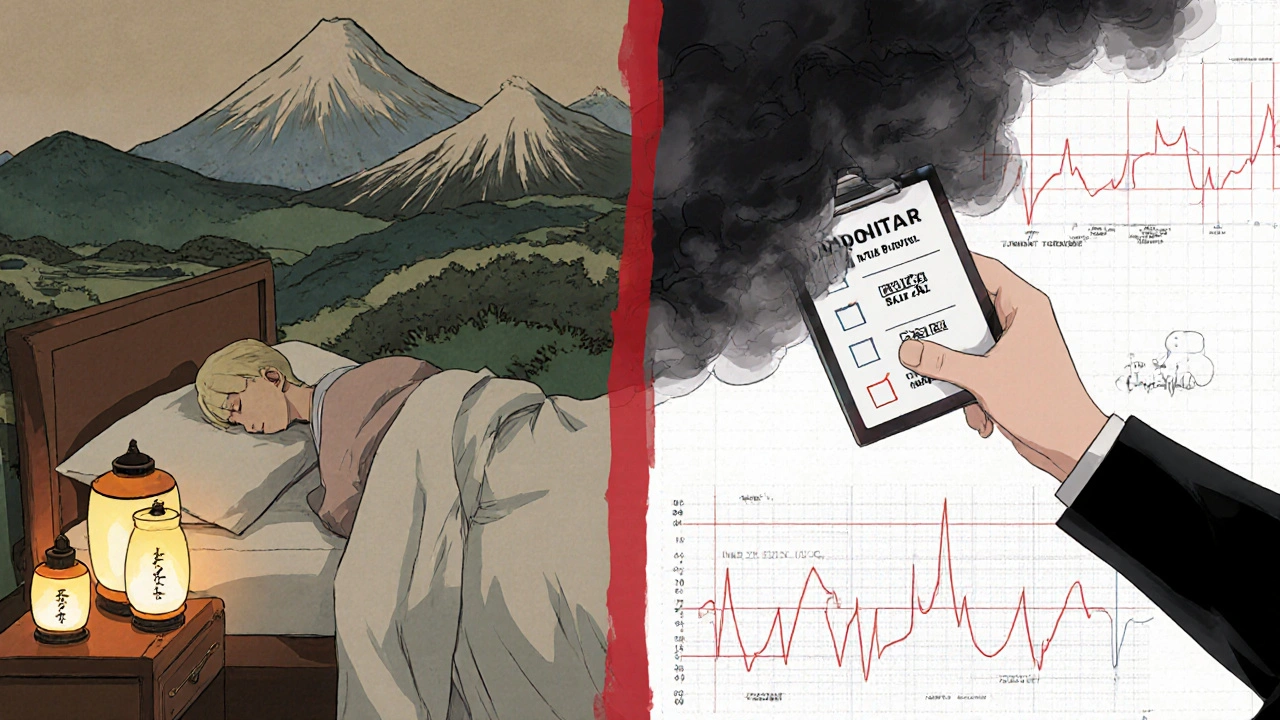
What Happens If You Don’t Talk?
Silence creates confusion. Confusion creates non-adherence. Non-adherence creates crises. A patient who switches without understanding may stop taking the drug if they feel “different.” Or they might double the dose because they think it’s “weaker.” Or they might avoid refills altogether. One study found patients who got personalized education from pharmacists had 28% fewer medication-related problems. That’s not a small number. That’s 1 in 3 fewer ER visits, hospitalizations, or complications.Next Steps for Providers
Here’s what to do the next time you consider switching a patient to a generic NTI drug:- Check your state’s law. Some require consent. Others ban substitution. Don’t assume.
- Use the FDA’s script: “This generic has been tested to deliver the same amount of medicine. We’ll check your levels in [timeframe].”
- Offer a written handout. Include the drug name, therapeutic range, warning signs, and when to call.
- Set a follow-up. Schedule the lab test or appointment before the patient leaves.
- Document everything. “Counseled on therapeutic equivalence. Advised to monitor INR in 5 days. Provided written materials.”
Frequently Asked Questions
Are generic NTI drugs really as safe as brand-name ones?
Yes - if they’re FDA-approved. The FDA requires stricter testing for NTI generics than for regular ones. Their blood levels must match the brand within 90-111.11%, and for some drugs like levothyroxine, even tighter. Thousands of patients switch safely every year. The issue isn’t the drug - it’s whether the switch is managed correctly.
Why do some doctors refuse to switch patients to generics?
Some have seen patients have problems after switching - even if the cause wasn’t the generic. Others learned in training that brand was best. And some are simply uncomfortable with the complexity. But research shows that with proper monitoring, outcomes are the same. The gap isn’t science - it’s communication and experience.
Can I switch back to the brand if I feel worse?
Yes - but don’t do it without talking to your provider first. Feeling different doesn’t always mean the drug isn’t working. It could be stress, illness, or a new medication. If you switch back, you may need to re-check your levels again. Keep track of your symptoms and share them with your doctor.
What if my pharmacy switches my drug without telling me?
Ask them. In 14 states, they’re required to get your consent before switching an NTI drug. In others, they can switch unless you say no. Always check the label and the pill. If it looks different, ask. Never assume it’s the same. And if you’re unsure, call your prescriber.
Is it okay to use different generic brands over time?
Each switch - even between two generics - carries a small risk. If you’re stable on one generic, staying on it is usually safest. Switching multiple times increases the chance of a reaction. If cost forces you to switch, always get monitored after each change. Don’t let price win over safety.
Erin Nemo
December 2, 2025 AT 12:01I switched my mom to generic warfarin last year and we checked her INR like clockwork. No issues. She saves $80 a month and still feels great. Just talk to people like humans, not robots.
Done.
ariel nicholas
December 4, 2025 AT 08:53Let me get this straight-you’re telling me the U.S. government, which can’t even run a post office without losing your package, is now the ultimate authority on drug purity? Ha! The FDA approves everything from baby formula laced with melamine to vape pens that explode in kids’ faces. And now you want me to trust their ‘tighter’ bioequivalence standards? Give me a break. This isn’t science-it’s corporate capture wrapped in a lab coat.
Meanwhile, in Germany, they use real pharmacokinetic modeling-not arbitrary 90-111% ranges. We’re being lied to, folks.
And don’t even get me started on ‘teach-back.’ That’s not patient care-it’s performative bureaucracy.
Rachel Stanton
December 5, 2025 AT 23:58Really appreciate this breakdown-it’s exactly the kind of clinical nuance that gets lost in the cost-cutting frenzy.
One thing I’d add: when counseling patients, especially elders, don’t just say ‘we’ll check your levels.’ Name the test. Say ‘I’ll order your INR in five days’ or ‘we’ll draw your phenytoin level next Tuesday.’ Specificity reduces anxiety.
Also, use the word ‘bioequivalent’ only if they ask. Otherwise say ‘same medicine, same effect, same safety.’ Language matters.
And yes-visuals. I print out a tiny chart with the therapeutic window and circle the target. Patients remember it. They take photos of it. It becomes their anchor.
Finally: if they’ve been on brand for 10 years and are stable? Don’t push. Build trust first. Switching isn’t a checkbox. It’s a conversation.
Amber-Lynn Quinata
December 6, 2025 AT 06:52HOW DARE YOU tell people to switch their meds without knowing their soul?!
I had a cousin who went from brand levothyroxine to generic and started crying uncontrollably for three weeks. No one believed her. No one listened. She lost her job. Her husband left her. And now she’s on disability.
Do you know what that feels like? To be told your body is broken because you ‘can’t adapt’? That’s not science-that’s cruelty.
And you’re just handing out pamphlets like it’s a coupon clipper? 🤬
Some of us don’t want to be lab rats. Some of us just want to feel normal. Why is that so hard to understand? 😭
Lauryn Smith
December 7, 2025 AT 15:44My grandma’s on digoxin. We switched her to generic after talking to her pharmacist for 20 minutes. She got a little list of symptoms to watch for-dizziness, nausea, weird heartbeat. We checked her levels in a week. Everything was perfect.
She didn’t even notice the pill looked different.
It’s not about the drug. It’s about making sure people feel safe. That’s all.
Edward Hyde
December 8, 2025 AT 06:56This whole post reads like a pharma-funded PowerPoint slideshow. ‘Trust me, I prescribe this to my family’? LOL. That’s not evidence, that’s emotional manipulation.
And ‘we’ll check your levels’? That’s not care-that’s damage control. You’re admitting the switch might break something, so you’re just gonna watch for the explosion.
Meanwhile, the generic manufacturers are making bank while patients are guinea pigs. This isn’t healthcare. It’s a numbers game.
And don’t even get me started on ‘visual aids.’ You think a hand-drawn sketch on a napkin fixes systemic greed? Get real.
Charlotte Collins
December 9, 2025 AT 03:23Interesting how this piece frames the problem as ‘lack of communication’ when the real issue is the structural erosion of clinical autonomy.
The FDA’s 90–111% range is statistically porous. Even within that margin, inter-patient variability can trigger adverse events-especially in polypharmacy populations.
And yet, providers are incentivized to switch, pharmacists are pressured to dispense, and patients are left to interpret a pill change as a betrayal.
This isn’t about education. It’s about liability avoidance dressed as best practice.
Also: ‘document everything’? That’s not patient care. That’s legal theater.
amit kuamr
December 10, 2025 AT 11:28India has been using generics for decades and no one dies
Why US make it so complicated
People just need to trust science
Not fear
Simple
Scotia Corley
December 10, 2025 AT 11:29While the intent of this document is commendable, the tone and structure exhibit a concerning degree of performative empathy. The suggestion that patients ‘trust people, not data’ undermines the very foundation of evidence-based medicine. Furthermore, the reliance on anecdotal personal testimony-‘I prescribe this to my family’-introduces a dangerous subjectivity into clinical decision-making. This is not a guide to therapeutic equivalence; it is a manifesto of emotional persuasion disguised as clinical protocol.
Moreover, the emphasis on visual aids and hand-drawn sketches suggests a regression from professional standards toward populist healthcare practices. We are physicians, not counselors at a county fair.
elizabeth muzichuk
December 11, 2025 AT 19:13My sister died because they switched her to generic carbamazepine and no one told her.
She was 29.
She had a seizure in the shower.
She drowned.
And now you want me to ‘just talk to patients’ like it’s a customer service script?
There are no scripts for grief.
There are no handouts for a funeral.
So don’t you dare tell me this is ‘just communication.’
It’s negligence with a PowerPoint.
And you’re all complicit.
💔
Debbie Naquin
December 13, 2025 AT 03:48Therapeutic equivalence is a statistical illusion when applied to individual neurobiology. The FDA’s 90–111% window assumes homogeneity in absorption kinetics, but GI motility, CYP450 polymorphisms, and gut microbiota vary wildly across populations.
So when we say ‘it’s the same drug,’ we’re ignoring the fact that the drug isn’t the variable-the host is.
Monitoring is necessary, yes-but it’s a bandage on a hemorrhage.
We need pharmacogenomic-guided substitution. Not pamphlets.
Karandeep Singh
December 14, 2025 AT 23:49generic is fine if pharmacy dont change it every month
last month my pill was blue now its red
what even is this