Symptom Management Balance Calculator
Find the right balance between symptom relief and side effects. Based on best practices from the National Coalition for Hospice and Palliative Care.
Symptom Assessment
Medication Selection
Balance Assessment
Recommendations
Your balance assessment is loading...
Common Side Effects
| Medication | Common Side Effects | Severity Risk |
|---|---|---|
| Morphine | Constipation, nausea, drowsiness | High |
| Hydromorphone | Nausea, drowsiness, confusion | Medium |
| Fentanyl Patch | Itching, drowsiness, confusion | Medium |
| Non-Drug Options | None | None |
When someone is living with a serious illness, the goal shifts from curing to comforting. That’s where palliative care comes in - not as a last resort, but as a way to help people live as well as possible, no matter how far their illness has progressed. Hospice care is a type of palliative care for those with six months or less to live who’ve chosen to stop curative treatments. Both focus on one thing: relieving suffering. But here’s the hard part - the medicines that ease pain, shortness of breath, or nausea can also make you drowsy, confused, or even nauseated again. Finding the balance isn’t just about giving more drugs. It’s about knowing when to stop, when to switch, and how to listen - really listen - to what the patient is telling you.
What Palliative Care Really Means
Palliative care isn’t just for cancer patients. It’s for anyone with heart failure, COPD, dementia, kidney disease, or advanced neurological conditions. The core idea is simple: treat the whole person, not just the disease. That means addressing pain, yes, but also anxiety, depression, trouble breathing, nausea, constipation, and even the fear of being a burden. The National Coalition for Hospice and Palliative Care’s 2018 guidelines break this down into eight key areas - physical comfort, emotional support, spiritual needs, family involvement, and more. It’s not a checklist. It’s a mindset.What makes it different from regular medical care? Timing. You don’t wait until someone is dying to start palliative care. It can begin the day someone gets a diagnosis. In fact, studies show that people who get palliative care early - while still receiving cancer treatment - live longer and report better quality of life. One major study in the New England Journal of Medicine found patients with advanced lung cancer who had early palliative care lived 3.2 months longer than those who didn’t. Why? Because their symptoms were managed better. They weren’t stuck in the hospital. They weren’t in constant pain. They had more control.
Hospice Is Part of Palliative Care - But Not the Same
Hospice care is a subset of palliative care. It’s for people with a prognosis of six months or less, and who’ve decided not to pursue treatments meant to cure or extend life. Hospice teams - doctors, nurses, social workers, chaplains - come to your home, nursing facility, or hospice center. They don’t try to fix the disease. They try to make every moment as peaceful as possible.Some families worry that choosing hospice means giving up. But it’s not about giving up. It’s about choosing what matters most. For many, that’s being at home, holding a grandchild’s hand, or not being tied to an IV pole. Hospice doesn’t speed up death. It slows down suffering. Medicare covers hospice care fully, including medications, equipment, and 24/7 support - no co-pays.
Common Symptoms - And How They’re Treated
Let’s look at the big four: pain, shortness of breath, nausea, and delirium. Each has standard treatments - but each also carries risks.Pain is the most common reason people seek palliative care. Opioids like morphine or oxycodone are the first-line treatment. But they can cause constipation, nausea, and drowsiness. The key? Start low, go slow. A 70-year-old with kidney problems might need half the dose of a younger person. The NHS guidelines recommend a detailed pain assessment - not just asking “on a scale of 1 to 10,” but where it hurts, what makes it worse, how it affects sleep or walking. Using a body diagram helps patients point to pain they can’t describe. This cuts down on overmedication by 22% in some clinics.
Shortness of breath is terrifying. It’s not just about oxygen. Opioids are actually the most effective treatment, even for people without cancer. The American Academy of Family Physicians gives this approach a “B” level of evidence - meaning it’s well-supported. A small dose of morphine can calm the brain’s panic response to air hunger. Benzodiazepines like lorazepam are sometimes used for anxiety tied to breathlessness, but they can make people groggy. Non-drug options? A fan on the face, sitting upright, breathing exercises - these work surprisingly well.
Nausea and vomiting can come from the illness itself, from opioids, or from metabolic changes. Medications like ondansetron or metoclopramide help, but they don’t always work. Sometimes, changing the opioid - say, from morphine to hydromorphone - makes all the difference. Corticosteroids like dexamethasone are used for bowel obstructions, but they can cause mood swings or high blood sugar. The Fraser Health guidelines say octreotide has “limited benefit” - so don’t waste time on it if it’s not helping.
Delirium - sudden confusion, agitation, hallucinations - is common in the last weeks of life. It’s often caused by infection, dehydration, or medication buildup. Haloperidol is the go-to drug, but it can stiffen muscles or cause heart rhythm problems. The UPenn Comfort Care Guidelines say to check EKGs only when starting, then stop monitoring once the person is calm. Use the CAM-ICU tool to screen every 12 hours. And always ask: Is this delirium, or is the person just tired? Sometimes, a quiet room and a familiar voice are all it takes.
The Hidden Problem: Too Much Medicine
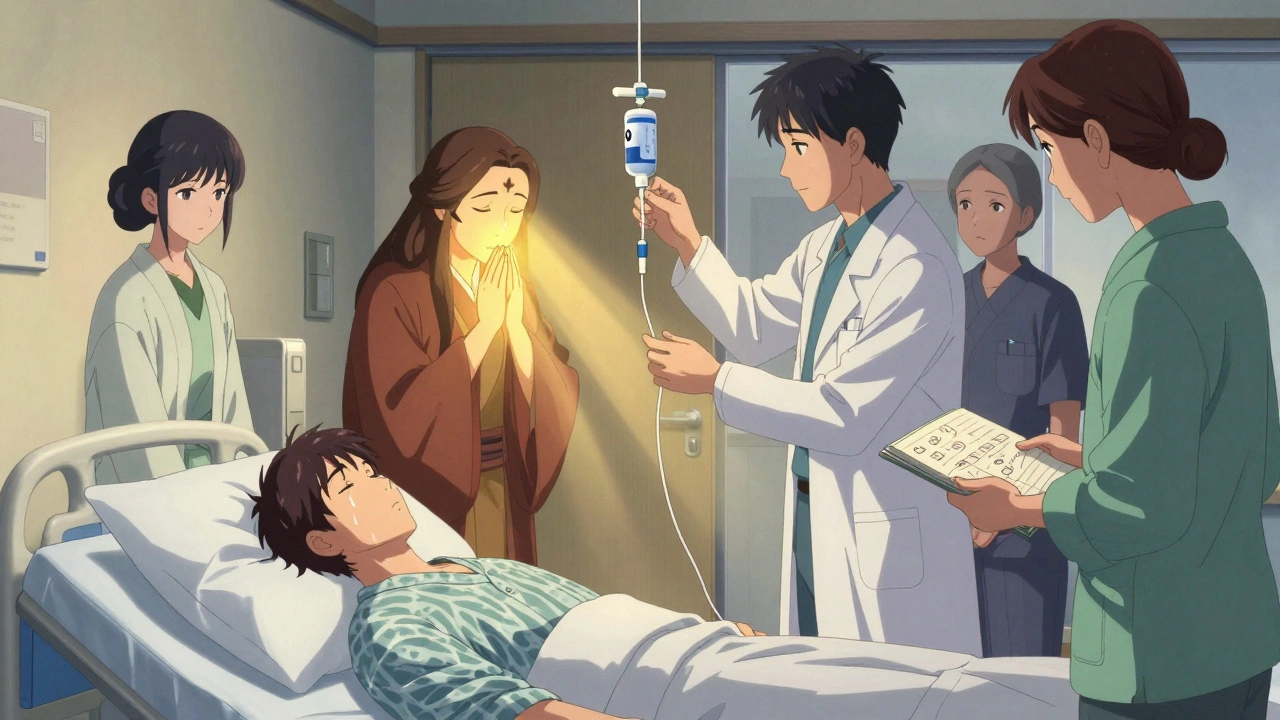
One of the biggest mistakes in palliative care isn’t giving too little - it’s giving too much. A nurse in a nursing home might give a patient morphine every hour because they’re moaning. But if they haven’t checked if the patient is in pain - or if they’re just restless from anxiety or a full bladder - they’re overmedicating. That leads to sedation. And sedation can mean the person can’t talk to their family one last time.Dr. Robert Arnold from UPenn says: “Document every dose. Every time.” That means writing down not just what you gave, but why - and how the patient responded. Was the pain reduced? Did they sleep? Did they become too sleepy to speak? If the answer is yes to the last one, you’ve gone too far. The goal isn’t to make someone unconscious. It’s to make them comfortable enough to be present.
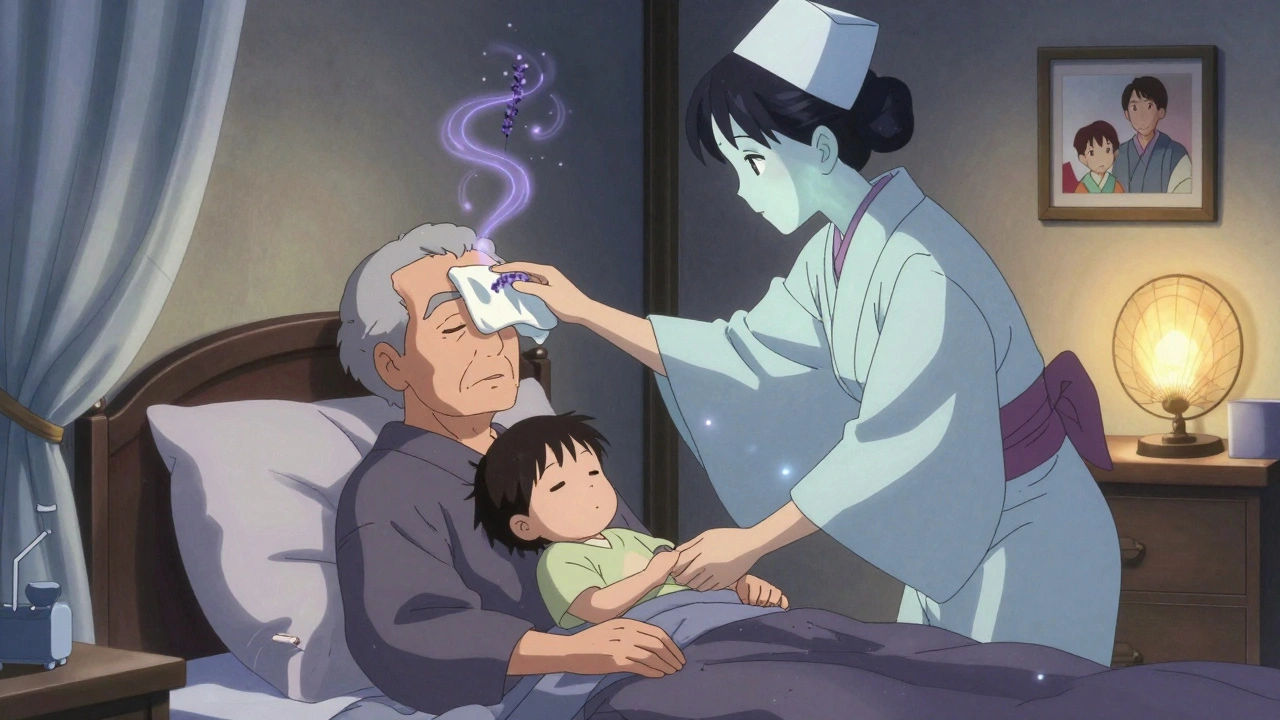
Family members often push for more medication because they see their loved one suffering. But they don’t always understand the trade-offs. A daughter might say, “Just give her more - I can’t stand to see her in pain.” The answer isn’t to give more. It’s to say, “I know this is hard. Let’s try something else first - a change in position, a cool cloth, a different painkiller.”
Non-Drug Tools Are Just as Important
Medicines get all the attention. But the quietest interventions often make the biggest difference. A warm blanket. A hand held. Soft music. A favorite photo on the wall. These aren’t luxuries - they’re medicine.Studies show that aromatherapy with lavender can reduce anxiety. Gentle massage eases muscle tension. Guided breathing lowers heart rate. Even just turning off the TV and sitting in silence helps. The NCHPC guidelines include spiritual and emotional care as core domains - because pain isn’t just physical. If someone feels hopeless, isolated, or guilty, their body feels it too. A chaplain asking, “What’s been hardest for you?” can do more than a pill.
Fraser Health’s 2023 update added guidance on cannabinoids - medical marijuana - for symptom relief. In one study, patients using it reduced their opioid use by 37%. But 29% had dizziness. So it’s not a magic bullet. But it’s another tool. And in palliative care, having more tools means you can pick the right one for the person.
How to Get Started - Even If You’re Not a Doctor
You don’t need to be a specialist to help. Start with these three things:- Ask: “What’s the biggest thing bothering you right now?” Don’t jump to pain. Maybe it’s fear, or loneliness, or being cold.
- Track symptoms. Keep a simple notebook: time of day, what’s happening, what helped, what made it worse. This helps the care team adjust faster.
- Know when to call for help. If someone is confused, struggling to breathe, or in pain that won’t go away after two doses of medicine - call the hospice or palliative team immediately. Don’t wait.
Training isn’t just for doctors. The Center to Advance Palliative Care offers free online modules used by over 12,000 nurses, social workers, and family caregivers. Many hospitals now have palliative care consult teams you can request - even if the patient isn’t in hospice yet.
What’s Changing in 2025
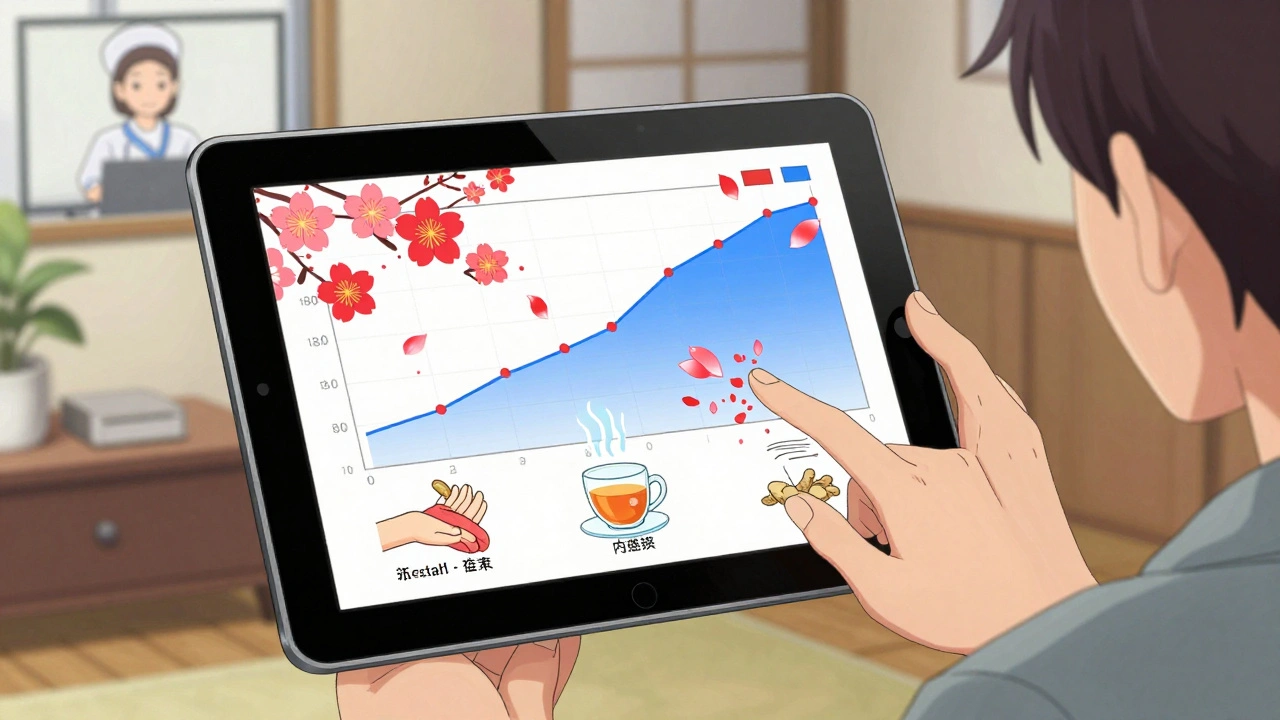
The field is evolving. The NCHPC is releasing its 5th edition of guidelines in 2025, with a big push toward digital tools - apps that let patients report symptoms from their phone. Early results show a 18% improvement in symptom control because problems are caught earlier. Tele-palliative care is growing fast, especially in rural areas where 55% of counties have no specialist. Now, families can video-call a palliative care nurse from home.Research is also looking at genetics. A 2022 study in JAMA Internal Medicine found certain genes predict how someone will respond to opioids. In five years, we might test a patient’s DNA to choose the best painkiller - no trial and error.
But the biggest change? More people are asking for it. In 2021, 1.55 million Medicare beneficiaries used hospice. That’s up from 24% of hospitals offering palliative care in 2001 to 96% today. The demand is growing. The workforce isn’t keeping up. There are only 7,000 certified palliative doctors for a need of 22,000. That’s why training family members and nurses is so critical.
Final Thought: Comfort Is the Goal - Not Silence
The goal of palliative and hospice care isn’t to make someone quiet. It’s to make them comfortable enough to be themselves. To laugh. To cry. To say goodbye. To hold on just a little longer.Too often, we equate good care with heavy sedation. But the best care is the kind that lets someone stay awake - even if they’re tired - so they can see their grandchild’s face one more time. It’s the care that listens more than it prescribes. That respects the person’s wishes, not just the protocol.
Balance isn’t easy. It takes time. It takes courage. But it’s worth it. Because at the end of life, the most powerful medicine isn’t a pill. It’s presence.
Can palliative care be started at any time during a serious illness?
Yes. Palliative care can begin at any stage of a serious illness - even at diagnosis. It’s not tied to life expectancy. Many patients receive palliative care alongside chemotherapy, dialysis, or other treatments aimed at curing or slowing disease. The goal is to improve quality of life while continuing other therapies. Studies show early integration leads to better symptom control and longer survival.
Is hospice care only for people who are dying?
Hospice care is for people with a prognosis of six months or less if the illness follows its normal course. But it’s not about giving up - it’s about shifting focus from curing to comfort. Patients can leave hospice at any time if they decide to restart curative treatment. Many people return to hospice later if their condition worsens. It’s a flexible service designed to meet changing needs.
Do opioids always cause drowsiness or confusion in palliative care?
Not always. While opioids can cause drowsiness or confusion, especially when first started or if doses are too high, these side effects often lessen as the body adjusts. The key is careful dosing and monitoring. Starting low and increasing slowly reduces risks. If confusion occurs, doctors check for other causes like infection, dehydration, or kidney issues. Sometimes switching to a different opioid - like hydromorphone instead of morphine - helps. The goal is to relieve pain without sedating the person beyond what’s necessary.
What if a family member refuses pain medication because they fear addiction?
Addiction is extremely rare in patients with serious illness who take opioids for pain. The body’s need for pain relief overrides the brain’s reward pathways. Fear of addiction often comes from misunderstanding. Palliative teams explain that the goal isn’t to get high - it’s to be able to sleep, eat, talk, and be with loved ones. Many families change their minds after seeing their loved one become more alert and engaged once pain is controlled. Education and open conversation are the best tools.
Are there alternatives to medication for managing symptoms like nausea or anxiety?
Yes. Non-drug approaches are often used alongside or instead of medication. For nausea: ginger tea, acupressure wristbands, or avoiding strong smells. For anxiety: calming music, guided breathing, holding hands, or talking with a chaplain. For shortness of breath: a fan blowing gently on the face, sitting upright, or using a pillow to support the chest. These methods are low-risk and can reduce the need for drugs. Many palliative teams include music therapists, massage therapists, and volunteers trained in comfort care techniques.
How do you know if a loved one is getting enough pain relief?
Look for signs beyond words. Can they sleep? Eat? Talk with family? Smile? Move comfortably? If they’re still grimacing, withdrawn, or restless, the pain isn’t fully controlled. Use a simple scale: ask them to rate pain from 0 to 10 before and after treatment. A drop of 3 or more points usually means improvement. Also, track behavior - if someone stops moving or stops responding, they may be too sedated. The goal isn’t zero pain - it’s pain that doesn’t interfere with being present.
Can palliative care be provided at home?
Yes. Most palliative and hospice care is delivered at home. Teams include nurses who visit regularly, social workers who help with resources, chaplains for spiritual support, and aides who assist with bathing or dressing. Equipment like hospital beds, oxygen, and wheelchairs is provided. Families get 24/7 phone support. Many patients prefer home because it’s familiar, quiet, and allows them to be surrounded by loved ones - which research shows improves comfort and reduces anxiety.
What should I do if my loved one’s symptoms get worse suddenly?
Call the palliative or hospice team immediately. Sudden changes - like increased confusion, trouble breathing, or uncontrolled pain - can signal a new issue like infection, dehydration, or a medication interaction. Don’t wait until morning. Most hospice programs offer round-the-clock support. Quick intervention can often reverse the problem or adjust treatment to restore comfort. Keep the team’s number posted by the phone.
Francine Phillips
December 2, 2025 AT 11:58Makenzie Keely
December 2, 2025 AT 18:58Gavin Boyne
December 3, 2025 AT 22:36Rashi Taliyan
December 5, 2025 AT 19:37Kara Bysterbusch
December 7, 2025 AT 17:42Rashmin Patel
December 7, 2025 AT 19:08sagar bhute
December 8, 2025 AT 10:14Cindy Lopez
December 10, 2025 AT 03:18