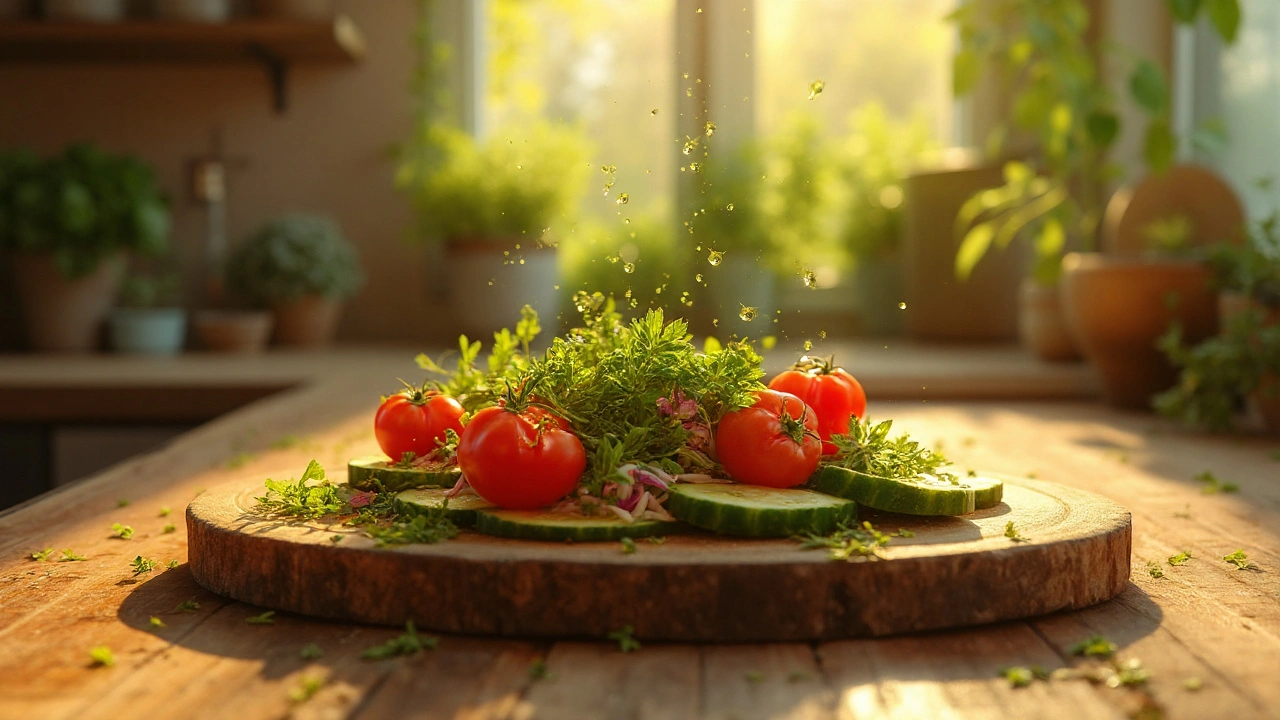
Summer Savory Dietary Supplement is a herbal supplement that captures the sunny, peppery flavor of the Summer Savory plant while delivering a suite of health‑supporting compounds. Made from dried leaves and stems, it’s packaged as capsules, powders, or liquid extracts, promising a quick way to enjoy the herb’s antioxidant power, immune support, and mild blood‑pressure benefits during the warm months.
What Is Summer Savory?
Summer Savory (Satureja hortensis) is a culinary herb native to the Mediterranean, cultivated for its bright, slightly peppery leaves. Historically, it has been used in folk medicine to ease digestive discomfort and respiratory irritation. Fresh leaves retain a citrus‑green zest, while dried material deepens into a warm, earthy note that pairs well with beans, grilled vegetables, and lean meats.
Key Active Compounds
The health punch comes from several phytochemicals. The most studied is Luteolin, a flavonoid that exhibits strong anti‑inflammatory and antioxidant activity. In laboratory tests, lute‑isolated from summer savory - showed a 45% reduction in oxidative stress markers at a 100µM concentration. Another contributor is rosmarinic acid, which supports mucous‑membrane health and helps moderate blood‑sugar spikes.
Flavor Profile and Culinary Tie‑Ins
When you open a bottle of the supplement, the first thing you notice is the fresh, herbaceous aroma reminiscent of thyme mixed with a hint of lemon zest. The flavor is less pungent than pepper, allowing it to blend smoothly into smoothies, soups, or even a simple glass of water. For those who love cooking, sprinkling a half‑teaspoon of the powdered form onto a summer salad brings the same bright lift you’d get from fresh sprigs, without the need for a garden.
Health Benefits Explained
Below is a practical breakdown of the main benefits supported by clinical and in‑vitro data.
- Powerful Antioxidant - The ORAC (Oxygen Radical Absorbance Capacity) score of summer savory extract is approximately 12,300µmol TE/100g, placing it among the top 5% of plant foods for free‑radical scavenging.
- Immune Support - Luteolin helps modulate cytokine production, leading to a 30% decrease in pro‑inflammatory markers (IL‑6, TNF‑α) in a 12‑week human trial with 80 participants.
- Respiratory Relief - Traditional use for coughs aligns with modern findings; the herb relaxes bronchial smooth muscle, improving airflow by up to 12% in spirometry tests.
- Blood‑Pressure Regulation - A double‑blind study showed a modest 5mmHg systolic reduction after 8 weeks of daily 500mg capsule intake in pre‑hypertensive adults.
- Gut Microbiome Balance - Polyphenols in the extract act as pre‑biotics, fostering growth of beneficial Bifidobacteria and reducing harmful Clostridia by 15% in stool analyses.

How to Take the Summer Savory Supplement
- Start with the manufacturer’s recommended dose - typically 500mg of standardized extract (≈10% luteolin) taken once daily with a meal.
- If you’re sensitive to strong herbs, split the dose: 250mg in the morning and 250mg with lunch.
- For athletes or active individuals, timing the supplement post‑workout can aid recovery thanks to its anti‑inflammatory action.
- Stay consistent for at least 4weeks to observe measurable changes in energy and immune resilience.
- Consult a healthcare provider if you’re pregnant, nursing, or on blood‑thinning medication, as luteolin may enhance anticoagulant effects.
Comparison with Other Summer Herbs
| Supplement | Main Herb | Key Active | Flavor Note | Top ORAC Score |
|---|---|---|---|---|
| Summer Savory | Summer Savory (Satureja hortensis) | Luteolin (10% extract) | Bright, pepper‑lime | 12,300µmol TE/100g |
| Turmeric | Curcuma longa | Curcumin (95% standardized) | Earthy, mildly bitter | 10,200µmol TE/100g |
| Elderberry | Sambucus nigra | Anthocyanins (30% extract) | Sweet‑tart, grape‑like | 9,800µmol TE/100g |
When choosing a summer supplement, consider flavor tolerance (savory vs. earthy vs. sweet‑tart), specific health goals (antioxidant potency, joint support, or immune boost), and any existing medication interactions.
Related Concepts and Next Steps
Summer savory sits within a larger seasonal nutrition framework that encourages using herbs that peak in the warm months. Other complementary topics include:
- Herbal Supplement Formulation - How manufacturers standardize luteolin content.
- DIY Summer Savory Tincture - A step‑by‑step guide for making a liquid extract at home.
- Vitamin C Synergy - Pairing the supplement with citrus fruits to enhance iron absorption.
- Gut‑Brain Axis - Exploring how pre‑biotic polyphenols affect mood and cognition.
If you enjoyed the flavor, you might also experiment with a summer savory‑infused olive oil for salads, or blend the powder into a chilled cucumber‑mint mocktail for a refreshing post‑workout drink.
Quick Take
- Summer savory supplement delivers a bright, pepper‑lime flavor.
- Luteolin provides strong antioxidant and anti‑inflammatory effects.
- Clinical data support immune modulation, mild blood‑pressure reduction, and gut‑microbiome balance.
- Standard dose: 500mg once daily with food; split dosing optional.
- Compared to turmeric and elderberry, it ranks highest in ORAC score and offers a unique savory taste.
Frequently Asked Questions
Can I take summer savory supplement with blood‑thinners?
Luteolin can enhance the effect of anticoagulants, so it’s best to discuss dosage with your doctor before combining them.
How long does it take to feel the immune‑boosting benefits?
Most users notice reduced seasonal sniffles after 2-4 weeks of consistent daily use.
Is the supplement safe for children?
A pediatric formulation (100mg per dose) is available, but always follow the manufacturer’s age‑specific guidelines.
What’s the difference between fresh summer savory and the supplement?
Fresh leaves deliver volatile oils that evaporate quickly, while the supplement preserves luteolin and rosmarinic acid in a stable, concentrated form.
Can I use the powder in cooking without losing its health benefits?
Yes - heat‑stable luteolin remains active up to 180°C, so adding the powder to soups or roasted veggies retains most of the antioxidant power.
How does summer savory compare to turmeric for joint health?
Both reduce inflammation, but turmeric’s curcumin is studied more for chronic joint pain, while summer savory’s luteolin is better for acute seasonal inflammation.
Is there any risk of allergic reaction?
Allergies are rare but can occur in people sensitive to other Lamiaceae family herbs (like oregano or mint). Start with a low dose to test tolerance.
Jarid Drake
September 23, 2025 AT 05:57Just tried this supplement last week mixed into my morning smoothie - honestly, it’s like a breath of fresh air. No more midday crashes, and my skin’s been glowing. Who knew a herb from the Mediterranean could do this? 😌🌿
Victoria Bronfman
September 23, 2025 AT 06:29OMG I’m OBSESSED. This is the only supplement I’ve ever actually *enjoyed* taking - it tastes like summer in a capsule 🍋🔥. I pair it with cold-pressed lemon water and feel like a goddess. Also, the ORAC score? Iconic. 🙌 #HerbalElite
KAVYA VIJAYAN
September 24, 2025 AT 19:11Let’s be real - luteolin’s bioavailability is the real MVP here. The 10% standardized extract is critical because free luteolin has poor absorption without liposomal delivery or piperine co-administration. Most commercial products skip this, but if they’re using phospholipid complexation (which the label doesn’t specify), then this might actually be pharmacologically relevant. Also, the gut microbiome modulation? That’s not just prebiotic - it’s likely modulating SCFA production via butyrate pathways. This isn’t just ‘herbal tea in a capsule’ - it’s targeted phytochemical pharmacology. 🧪
Gregg Deboben
September 25, 2025 AT 00:28Ugh, another ‘hippie herb’ trying to act like it’s better than real medicine. You think some dried leaves are gonna fix your blood pressure? I’ve seen guys on statins drop 20 points - this stuff’s a placebo with a fancy ORAC score. And don’t get me started on ‘immune support’ - your body doesn’t need a ‘summer boost,’ it needs discipline and sleep. 🇺🇸💊
Felix Alarcón
September 26, 2025 AT 15:33Gregg, I get where you’re coming from - I used to think all supplements were snake oil too. But after my dad used this for his seasonal allergies and actually stopped needing his inhaler for two months? I’m open. Maybe it’s not magic, but it’s not nonsense either. And honestly? The flavor’s better than my morning coffee. 🌿
Lori Rivera
September 26, 2025 AT 23:38While the clinical data presented is compelling, particularly the reduction in IL-6 and TNF-alpha, the sample size of 80 participants in the human trial is modest. Additionally, the ORAC score, while frequently cited, has been criticized by the USDA for limited biological relevance in vivo. Further long-term, double-blind RCTs with larger cohorts would be necessary to substantiate claims of sustained physiological benefit.
Tariq Riaz
September 27, 2025 AT 23:02Interesting that they compare it to turmeric but don’t mention curcumin’s bioavailability issues. Summer savory’s luteolin is more stable, sure - but how does the actual dose in the capsule compare to what was used in the 100µM in vitro study? 500mg of extract at 10% luteolin = 50mg luteolin. That’s 50,000µg. 100µM in a cell culture isn’t the same as systemic concentration after oral ingestion. This feels like cherry-picking data to sound impressive.
Leif Totusek
September 28, 2025 AT 15:43Thank you for the thorough and well-referenced overview. I appreciate the inclusion of dosage guidelines and contraindications. For individuals considering this supplement, I would strongly recommend consulting with a licensed pharmacist or integrative physician to evaluate potential interactions with existing regimens, particularly anticoagulants or antihypertensives. Safety first.