
Every year, millions of people accidentally or intentionally take too much of a medication, chemical, or drug. The question isn’t whether it’ll happen-it’s when it’ll happen, and what you should do next. Calling 911 right away feels like the safe choice. But sometimes, calling Poison Control is faster, smarter, and saves lives. The difference isn’t just about speed-it’s about knowing which symptoms mean danger and which don’t.
Call 911 Immediately If the Person Is Unresponsive, Struggling to Breathe, or Having Seizures
If someone is passed out and won’t wake up, even when you shake them or press on their sternum, call 911. That’s not a suggestion. That’s a medical emergency. Same goes if they’re gasping, turning blue, or their chest isn’t rising and falling. These are signs their body is shutting down. You don’t wait. You don’t call Poison Control first. You call 911.Seizures lasting more than five minutes are another red flag. Even if they stop on their own, the brain has been through trauma. Cardiovascular collapse-like a sudden drop in blood pressure, rapid or irregular heartbeat, or pale, cold skin-is just as urgent. These aren’t side effects. They’re warning signs your loved one is dying.
Infants under one year and adults over 79 are at higher risk. Their bodies process drugs differently. A dose that might just make a healthy adult dizzy could stop a baby’s breathing. If a child under one or an older adult has taken anything unusual, even if they seem fine, call 911. Don’t wait for symptoms. Their system can crash without warning.
Call Poison Control When Someone Is Awake, Breathing Normally, and Took a Single Substance
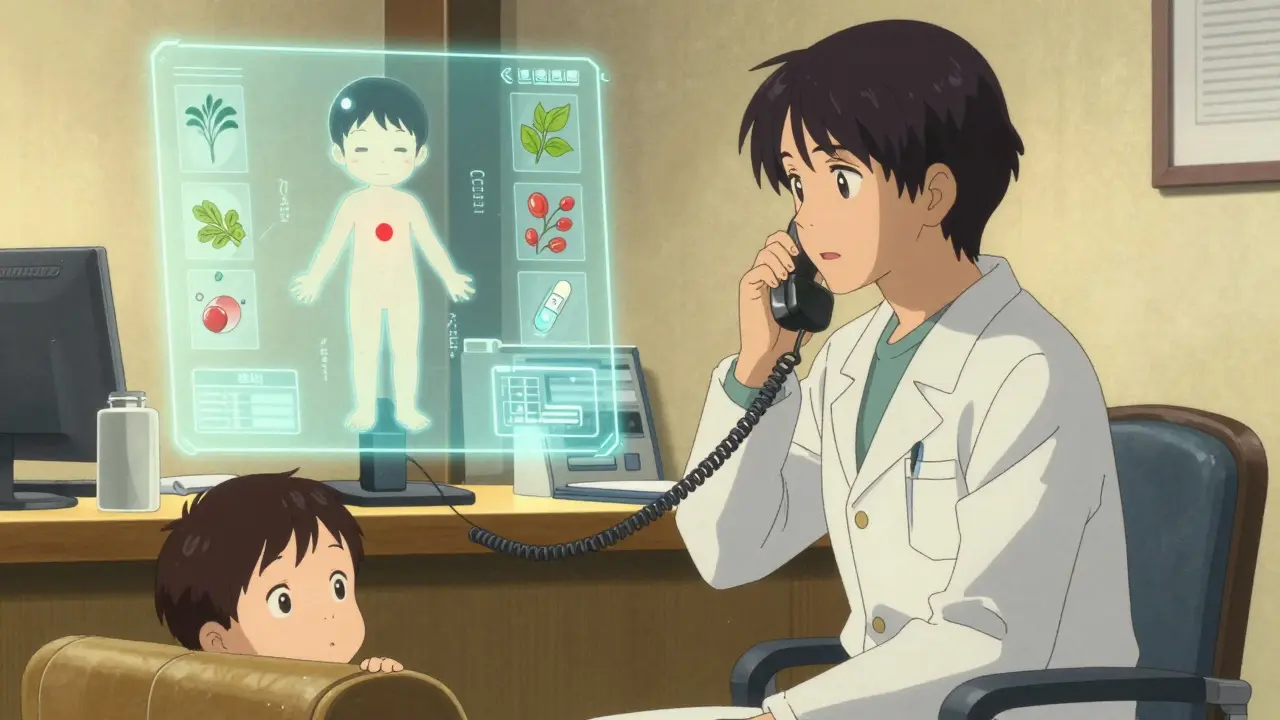
Poison Control isn’t for emergencies. It’s for when you need expert advice before rushing to the hospital. If someone took too much of their own medication-say, two extra pills of blood pressure medicine-but they’re sitting up, talking, breathing normally, and their skin looks normal, then call Poison Control.Most pediatric poisonings fall into this category. A toddler swallows one of Grandma’s pills. They’re crying, maybe drooling, but not collapsing. A teen accidentally doubles their ADHD medication and feels jittery but not sick. These are cases where Poison Control can tell you whether to watch at home or go to the ER. In 2022, over 82% of these cases were safely managed without an ER visit.
But here’s the catch: you need details. Don’t just say, “They took some pills.” Have the bottle in hand. Note the exact name-like “Metoprolol ER 25 mg” not just “heart pill.” Write down how many were taken, when, and how much the person weighs. Even a rough estimate matters. Errors in weight lead to wrong advice. If they took a liquid, note the concentration: 10 mg/mL vs. 50 mg/mL changes everything.
Intentional Overdoses Always Mean 911-No Exceptions
If someone meant to take too much-whether it was a suicide attempt, a cry for help, or a misguided attempt to get high-call 911 immediately. Even if they say they’re fine. Even if they’re laughing. Over 68% of intentional overdoses involve multiple substances. Mixing alcohol with opioids, benzodiazepines with painkillers? That’s a recipe for delayed collapse. People often feel okay for 20 minutes, then suddenly stop breathing.Studies show that 41% of intentional overdoses develop serious breathing problems within 15 minutes. That’s faster than an ambulance can arrive in many places. Waiting for symptoms to appear is playing Russian roulette. Call 911. Then call Poison Control. The ER team will need the poison center’s input to treat correctly.
Opioid Overdoses Require Naloxone and 911-Not Just a Phone Call
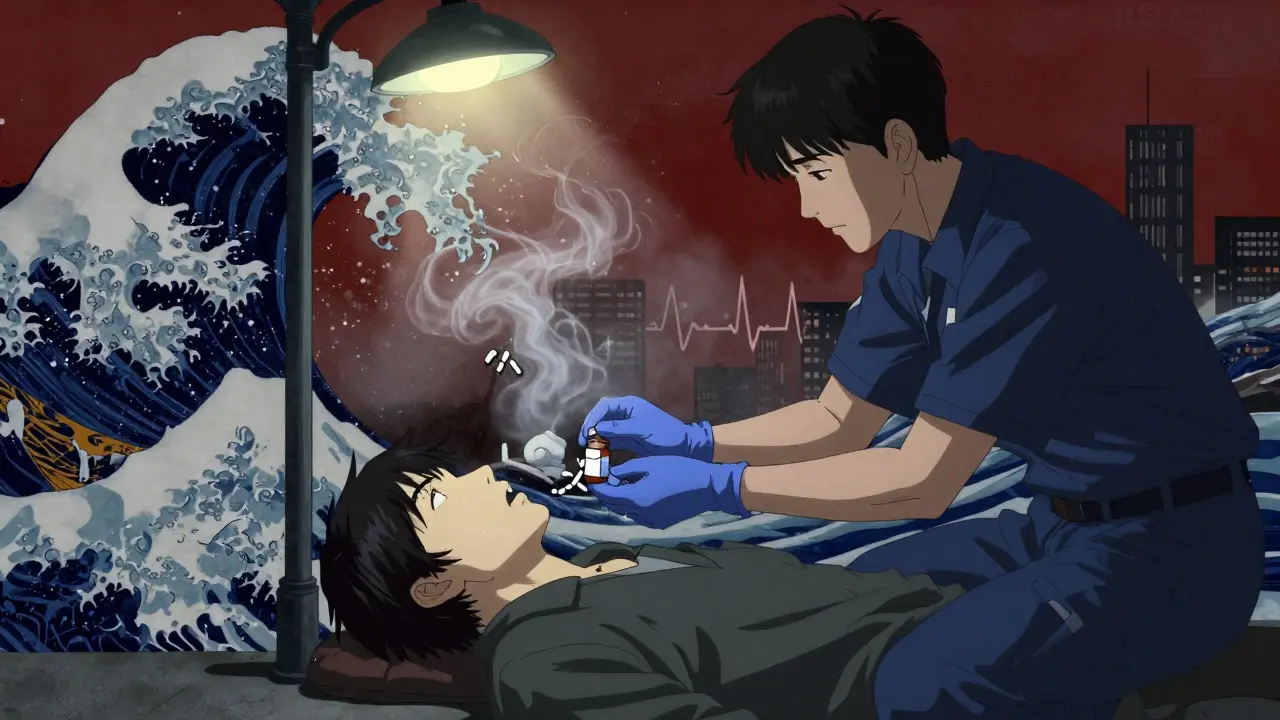
If you suspect an opioid overdose-someone is limp, has pinpoint pupils, and isn’t breathing-you need naloxone and 911. Naloxone (brand name Narcan) reverses the overdose. But it wears off in 30 to 90 minutes. Many opioids, especially fentanyl and its analogs, last much longer. The person can stop breathing again after naloxone wears off.That’s why you can’t just give naloxone and wait. You must call 911. Even if they wake up. Even if they seem fine. The New Mexico Department of Health reversed over 12,000 overdoses with naloxone in 2022-but every single case required EMS follow-up. Poison Control can guide you on how to use naloxone, but they can’t send an ambulance. Only 911 can.
Carbon Monoxide Poisoning? Call 911 No Matter What
Carbon monoxide doesn’t smell, taste, or look like anything. You might feel dizzy, nauseous, or tired. Maybe your head hurts. That sounds like the flu. But it’s not. Carbon monoxide blocks oxygen from reaching your brain and heart. And here’s the scary part: 42.7% of people who seem fine at first develop brain damage hours later.There’s no safe wait-and-see with carbon monoxide. If you suspect it-maybe your whole family is sick at the same time, or your carbon monoxide alarm went off-get everyone outside immediately, then call 911. Poison Control can’t give you oxygen. Only emergency responders can.
What to Have Ready Before You Call
Whether you’re calling Poison Control or 911, you’ll be asked the same basic questions. Be ready.- What was taken? Product name, brand, concentration. Look at the bottle. Don’t guess.
- How much? Exact amount. “A handful” doesn’t help. “Two 500 mg tablets” does.
- When? Time of ingestion. Even within 15 minutes matters.
- Who? Age, weight, medical conditions. Are they on other meds? Diabetic? Pregnant?
- What’s happening now? Symptoms? When did they start? Are they getting worse?
- What have you done? Did you give them milk? Vomit them? Give them activated charcoal?
Having this info ready cuts your call time from five minutes to 30 seconds. That matters. Every second counts.
Why Poison Control Isn’t Just a Hotline-It’s a Medical Resource
Poison Control isn’t a customer service line. It’s staffed by pharmacists, nurses, and medical toxicologists trained in poison management. They know how acetaminophen affects the liver differently in children versus adults. They know which antidepressants cause serotonin syndrome and how to treat it. They know that extended-release pills can keep releasing poison for 12 hours-even if the person seems fine now.They also know when to say “stay home.” In 2022, Poison Control prevented nearly 200,000 unnecessary ER visits in children alone. That saves families time, stress, and money. But only if you call at the right time.
What Doesn’t Work
Don’t wait to see if symptoms show up. Don’t try to make someone vomit. Don’t give them ipecac. Don’t give them milk or charcoal unless told to. Don’t rely on apps or websites to diagnose. The webPOISONCONTROL tool is helpful for low-risk cases-but it won’t work if the person is unconscious, having seizures, or took multiple drugs.And don’t assume “it’s just a pill.” A single Tylenol tablet is fine. Ten? That’s liver failure. A single aspirin? Harmless. Twenty? Internal bleeding. Toxicity isn’t about the pill. It’s about the dose, the person, and the timing.
Special Cases: Kids, Seniors, and Complex Meds
Children under six account for nearly half of all Poison Control calls. But not every pill is dangerous. A single chewable vitamin? Usually fine. A whole bottle of children’s ibuprofen? Call Poison Control. A single clonidine pill (used for high blood pressure)? That’s a medical emergency-even one tablet can stop a child’s breathing.Seniors over 75 are another high-risk group. On average, they take five or more medications daily. Mixing them can create deadly interactions. Even a small overdose of a blood thinner or heart medication can be fatal. For anyone over 75, any significant overdose means 911. No exceptions.
And don’t forget: some drugs have delayed effects. Calcium channel blockers and beta-blockers can look harmless for hours-then suddenly cause heart failure. If someone took one of these and you’re unsure, call 911. Better safe than sorry.
What Happens After You Call
If you call Poison Control, they’ll give you instructions. Follow them. They might say “watch for vomiting,” “give water,” or “go to the ER.” Don’t second-guess. They’ve seen thousands of cases like this.If you call 911, paramedics will come. They’ll check vitals, give oxygen, maybe give naloxone or activated charcoal. They’ll take the person to the ER. The ER team will call Poison Control for advice. You’re not doing anything wrong. You’re doing the right thing.
And if you’re ever unsure? Call Poison Control anyway. They’d rather hear from you twice than miss a case. The Poison Help hotline (1-800-222-1222) is free, confidential, and available 24/7. Even if you’re not sure it’s serious. Even if you feel silly.
You’re not overreacting. You’re being smart.
Can I just use the Poison Control app instead of calling?
The Poison Control app gives you general first aid tips and can help you decide whether to call. But it doesn’t connect you to a real expert. If someone is unconscious, having seizures, or you’re unsure, call 1-800-222-1222. The app is useful for prevention and low-risk cases-but not for emergencies.
What if I don’t know what was taken?
Call 911 anyway. If it’s a child, look for empty containers, pills on the floor, or unusual smells. If it’s an adult, check their medicine cabinet, purse, or pockets. Even partial info helps. Paramedics can test blood or urine. Poison Control can help identify unknown substances if you describe the container, color, or shape.
Is it better to drive to the ER or wait for an ambulance?
If the person is stable and breathing normally, driving might be okay. But if they’re confused, dizzy, having trouble breathing, or have any signs of collapse, wait for EMS. Ambulances carry oxygen, monitors, and medications that can save a life on the way. Plus, they can alert the ER ahead of time.
Will calling Poison Control get me in trouble if it was an intentional overdose?
No. Poison Control is confidential and non-judgmental. Their job is to save lives, not report people. They’ll ask questions to help treat the person, not to judge them. If someone is suicidal, they can connect you with crisis resources after the medical emergency is handled.
What if I’m not in the U.S.? Can I still call Poison Control?
The Poison Help number (1-800-222-1222) only works in the United States. If you’re in the UK, call 111 for non-emergency medical advice or 999 for emergencies. Most countries have their own poison control center-look up your local number in advance. Keep it saved in your phone.
Doreen Pachificus
January 3, 2026 AT 18:07This is the kind of info everyone needs but no one talks about until it’s too late.
Charlotte N
January 4, 2026 AT 01:56I had no idea that one clonidine pill could stop a kid’s breathing... my cousin’s toddler swallowed one last year and we just watched them until they "got better"... holy hell
Uzoamaka Nwankpa
January 4, 2026 AT 14:50They don’t tell you how often Poison Control gets calls from people who just panicked over a single ibuprofen and then the ER charges them $2000 for a 15-minute visit. I’ve seen it.
Oluwapelumi Yakubu
January 4, 2026 AT 18:39Listen, my homie in Lagos got his daughter into a whole bottle of antihistamines last Christmas-she was giggling, dizzy, but breathing. We called the local poison center, they told us to hydrate her and watch for pupils dilating. Four hours later, she was fine. No ER, no trauma, just a calm head and a phone number saved in contacts. Knowledge is power, fam.
Allen Ye
January 6, 2026 AT 06:06There’s a deeper philosophical layer here that nobody’s talking about: we’ve outsourced our emergency intuition to algorithms and hotlines because we’re too afraid to be responsible for our own decisions. We want a script for when someone’s dying-like life is a flowchart. But the truth is, every overdose is a collision between biology, neglect, and systemic failure. Poison Control isn’t just a service-it’s a mirror. It reflects how little we prepare, how little we educate, how little we care until the moment someone can’t breathe. And yet, we still call them. We still trust them. Maybe that’s the only thing keeping us from collapsing entirely.
Chris Cantey
January 6, 2026 AT 08:15Carbon monoxide is the silent killer, sure-but have you ever considered that the real poison is the complacency of people who ignore their alarms? I’ve seen homes with CO detectors that haven’t had batteries changed in 7 years. We’re not victims of toxins-we’re victims of laziness.
Abhishek Mondal
January 6, 2026 AT 09:44Actually, you’re all missing the point-Poison Control’s 82% success rate is statistically misleading because it’s skewed by pediatric cases where the ingestion was trivial (e.g., a single vitamin). The real danger lies in polypharmacy among the elderly, which is catastrophically underreported because hospitals don’t track it as "overdose" unless someone dies. You need to look at the CDC’s 2021 polypharmacy report, not this feel-good PR piece.
Vicki Yuan
January 8, 2026 AT 08:54Thank you for this. I’m a nurse and I see people show up to the ER after waiting hours because they thought "it might just be a stomach bug." You’re right-knowing the difference between "watch and wait" and "call 911 now" saves lives. I wish every high school had a module on this. Not just first aid-real toxicology literacy. People need to know that "it’s just a pill" is the most dangerous phrase in medicine.
Catherine HARDY
January 9, 2026 AT 05:27Wait… so if Poison Control can’t send an ambulance, and 911 can, but 911 doesn’t know what the drug is… who’s really in charge here? Who’s running the system? Are we just pawns in a bureaucratic game where two agencies pass the buck until someone dies? And what if you’re in a rural area and the ambulance takes 45 minutes? Is Poison Control just a comfort blanket for people who don’t want to admit the system’s broken?