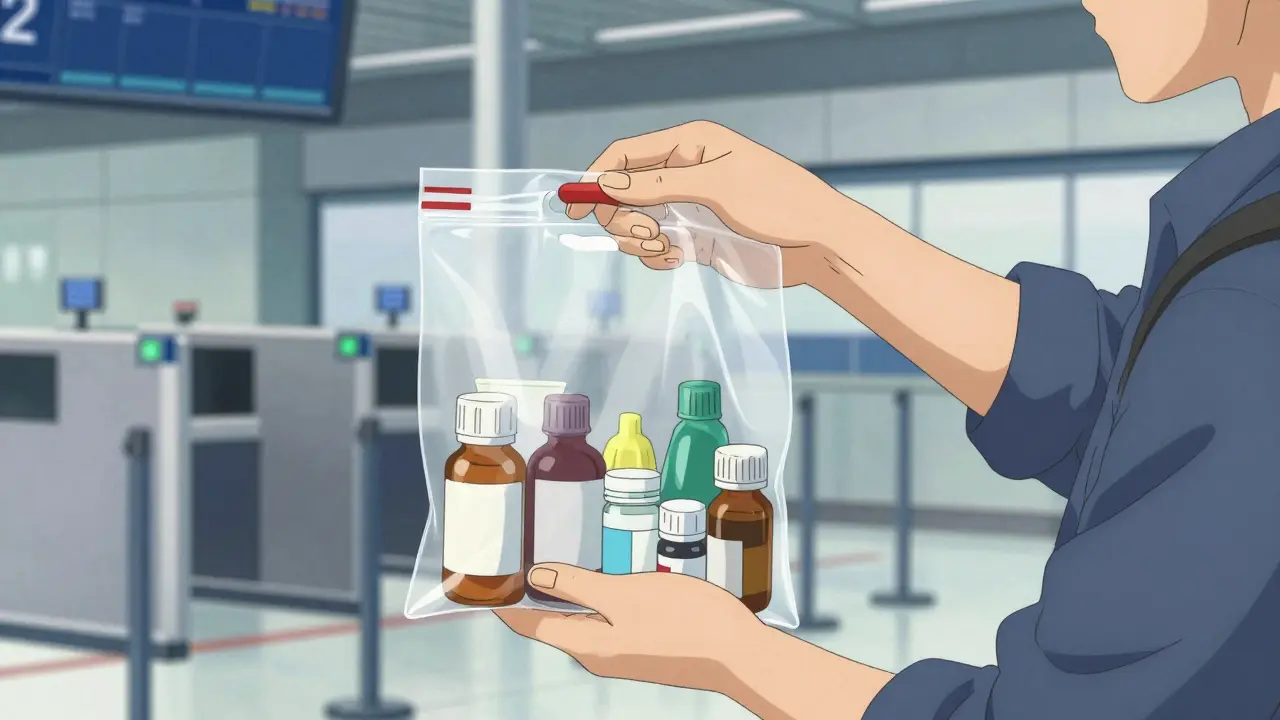
There is nothing worse than reaching the front of the security line and realizing your life-saving medication might get confiscated. If you rely on liquid medications, whether it’s insulin for diabetes, inhalers for asthma, or prescription creams for eczema, standard airport rules don’t apply to you in the way they do for everyone else. You are not bound by the usual 3.4-ounce limit, but you do have to follow a specific set of protocols to avoid delays or, worse, having your medicine held up.
Navigating airport security with medical supplies can feel like walking a tightrope. One day an officer knows exactly what to do; the next day, you’re stuck explaining your condition to someone who hasn’t read the manual. This guide breaks down exactly how to pack, declare, and screen your meds so you can get through quickly and keep your health on track.
The Golden Rule: Medical Liquids Are Exempt
First, let’s clear up the biggest myth. The famous "3-1-1 rule" that forces everyone to put their shampoo and toothpaste into tiny containers does not apply to medically necessary liquids. According to current TSA regulations updated in early 2025, there is no volume limit for prescription medications, insulin, EpiPens, or other essential medical liquids. You can carry as much as you need for your trip, plus a little extra for emergencies.
This exemption covers:
- Insulin and injectables: Vials, pens, and pumps are all allowed without size restrictions.
- Liquid prescriptions: Antibiotics, anti-nausea meds, or chemotherapy drugs in liquid form.
- Medical creams and gels: Prescribed topical treatments for conditions like psoriasis or severe dermatitis.
- Emergency devices: Pre-filled auto-injectors like EpiPens or glucagon kits.
However, "medically necessary" is the key phrase here. Over-the-counter pain relievers in liquid form or large bottles of water for hydration do not qualify for this exemption unless you have a doctor’s note specifically stating they are required for a medical condition. When in doubt, assume it needs documentation.
Packing Strategy: Make It Easy for the Officer
The number one reason travelers experience delays isn’t because they’re breaking rules-it’s because their meds are hidden at the bottom of a messy bag. Officers are trained to look for threats, not to play detective finding your insulin vial among your socks. To speed things up, treat your medications like electronics: separate, visible, and ready to go.
Here is the most effective packing method used by frequent medical travelers:
- Use a dedicated clear bag: Do not mix your meds with your regular toiletries. Keep them in their own clear, quart-sized plastic bag. This signals immediately to the officer that these items require special handling.
- Keep original packaging: Whenever possible, leave your medications in the pharmacy-labeled bottles or boxes. A study by the American Pharmacists Association found that 63% of security delays were caused by unlabeled containers. If you must transfer pills to a pill organizer, keep the original bottle somewhere accessible in case questions arise.
- Place it in an outer pocket: Put this bag in an easy-to-reach pocket of your carry-on. You should be able to pull it out without unpacking your entire bag.
If you use an insulin pump or continuous glucose monitor (CGM), you can wear these devices through the metal detector. However, you should inform the officer before you walk through so they know what to expect. These devices often contain small amounts of liquid and electronics, which can trigger alarms if not declared.
Handling Ice Packs and Temperature Control
For many patients, temperature control is non-negotiable. Insulin and certain antibiotics can spoil if left too warm, especially during summer travel or long layovers. Good news: ice packs are allowed, but they come with strict conditions.
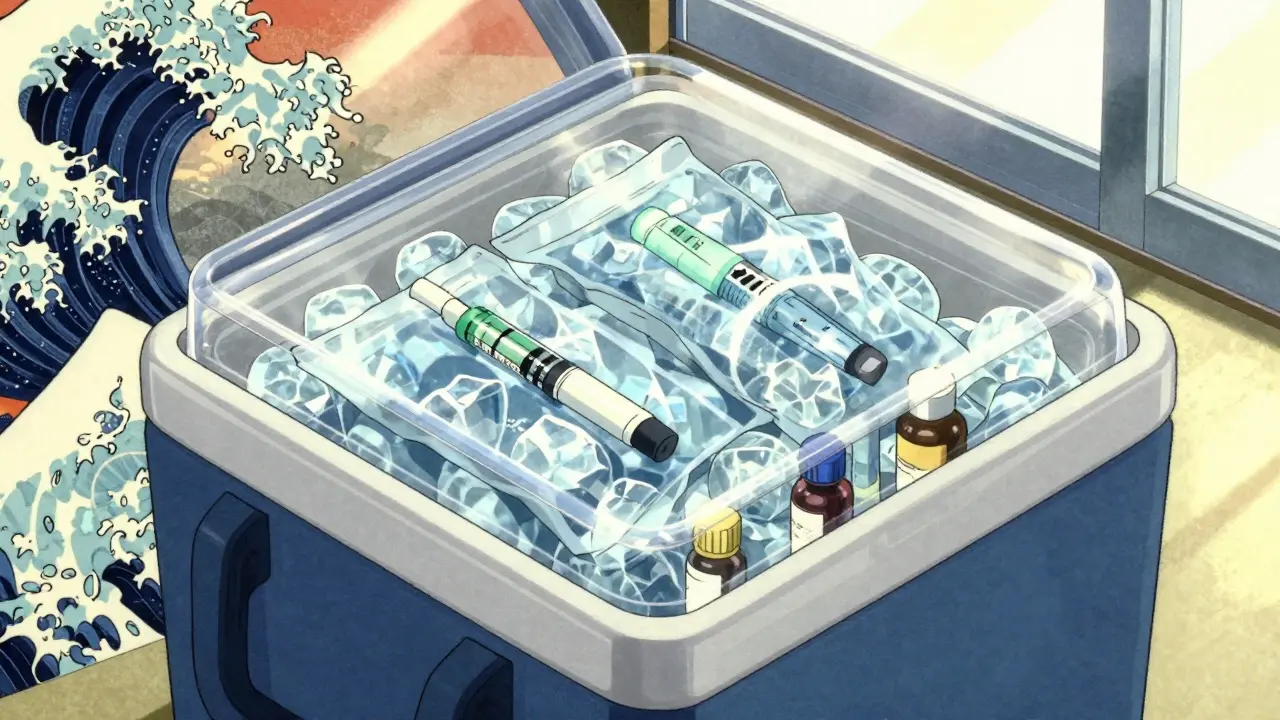
You can bring ice packs, gel packs, or freezer packs to cool your medications, but they must be frozen solid when you arrive at the security checkpoint. If an ice pack is partially melted or slushy, it will be treated as a liquid and subject to additional screening. In some cases, officers may ask you to discard the partially melted pack while keeping the medication itself.
To avoid this hassle:
- Freeze packs overnight: Ensure they are rock hard before you head to the airport.
- Declare them: Tell the officer you have frozen ice packs for medical reasons. They may inspect them separately.
- Consider dry ice: For longer trips, dry ice is permitted in limited quantities (usually up to 5.5 lbs or 2.5 kg). It must be properly packaged to allow gas venting. Check with your airline first, as policies vary.
A pro tip from travel nurses: Use a hard-sided cooler that fits under the seat in front of you. This protects the ice packs from crushing and keeps everything organized. Just remember to take the cooler out of your bag and place it in a bin at security, just like your laptop.
The Screening Process: What Happens Next?
Once you’ve packed correctly, the actual screening process is straightforward if you stay calm and proactive. Here is what typically happens:
1. Declaration: As soon as you approach the belt, tell the TSA officer, "I have medically necessary liquids." Do not wait for them to ask. This triggers a different screening protocol. You don’t need to show your prescription immediately, but having it ready helps.
2. Separation: Remove your medication bag from your carry-on and place it in a separate bin. Do not put it in with your shoes or jacket. Keeping it isolated allows the officer to focus on it without clutter.
3. X-ray vs. Visual Inspection: Most liquid medications go through the X-ray machine. However, you have the right to request a visual inspection instead. Some patients worry about radiation affecting sensitive biologics, though the TSA states X-rays are safe for medications. If you prefer a visual check, say so before the bag enters the machine. The officer will open the bag and visually inspect the contents, possibly using swab tests for explosive trace detection. Note that visual inspections can take longer, so factor that into your timeline.
If you are traveling with controlled substances (like certain ADHD medications or opioids), be prepared for additional questioning. Carry a copy of your prescription or a letter from your doctor. While federal law generally permits travel with prescribed controlled substances, state laws can vary, and officers need to verify legitimacy.
Documentation: Your Best Friend
You are not legally required to carry a doctor’s note for domestic flights within the US, but it is highly recommended. A simple letter on clinic letterhead can save you minutes-or hours-of stress. It should include:
- Your full name and date of birth.
- A list of all medications, including brand names and dosages.
- The prescribing physician’s name and contact information.
- A statement confirming the medications are medically necessary for your travel.
Keep a digital copy on your phone and a printed copy in your medication bag. If you run out of battery or lose your phone, you still have proof. For international travel, check the destination country’s regulations. Some nations have strict rules about importing certain medications, even with a prescription.
| Item | Action Required | Note |
|---|---|---|
| Prescription Liquids | No size limit | Must be declared |
| Ice Packs | Must be frozen solid | Partially melted = extra screening |
| Original Packaging | Highly recommended | Reduces delays significantly |
| Doctor’s Letter | Optional but smart | Includes dosage and physician info |
| Visual Inspection | Request before X-ray | Takes longer but avoids radiation concerns |

Common Pitfalls to Avoid
Even seasoned travelers make mistakes. Here are the most common errors that lead to frustration:
Mixing meds with regular liquids: If you put your insulin in the same bag as your sunscreen and deodorant, the officer has to sort through everything. This increases the chance of something being missed or delayed. Keep them separate.
Assuming all officers know the rules: Training levels vary. Some officers handle medical declarations daily; others rarely see them. Be patient but firm. Politely remind them of the exemption if they try to enforce the 3.4-ounce rule.
Forgetting backup supplies: Always pack more than you think you’ll need. Flights get delayed, bags get lost, and pharmacies aren’t always available at your destination. Aim for enough medication for the entire trip plus three extra days.
Ignoring airline policies: While TSA handles security, airlines handle baggage. If you check your bag, there’s a risk it could be lost or exposed to extreme temperatures in the cargo hold. Never check your primary supply of liquid medications. Keep them in your carry-on.
What About International Travel?
When flying outside the US, the rules change. TSA regulations only apply within the United States. Once you land abroad, you are subject to that country’s customs and import laws. Some countries ban certain medications entirely, even with a prescription. Others require prior approval or a specific type of documentation.
Before booking an international flight, visit the embassy website of your destination country. Look for sections on "prohibited medications" or "importing pharmaceuticals." Countries like Japan, Australia, and those in the Middle East often have strict controls on stimulants, sedatives, and narcotics. Failing to comply can result in confiscation, fines, or even denial of entry.
Also, consider the voltage differences if you’re bringing electronic medical devices. Many modern insulin pumps and monitors work on USB power, but older models might need adapters. Test your equipment before you go.
Can I bring unlimited amounts of liquid medication through airport security?
Yes, for domestic flights within the US, there is no volume limit for medically necessary liquid medications. You can carry as much as you need for your trip. However, you must declare them to the TSA officer, and they may be subject to additional screening. For international flights, check the destination country's limits and regulations.
Do I need a doctor’s note to travel with liquid meds?
It is not legally required for domestic US flights, but it is highly recommended. A doctor’s letter speeds up the process and helps resolve any confusion with officers. For international travel, a doctor’s note is often mandatory, especially for controlled substances or injectable medications.
Can I request a visual inspection instead of an X-ray?
Yes, you have the right to request a visual inspection for your medications. You must make this request before placing your bag on the conveyor belt. Visual inspections involve opening the bag and checking the contents manually, which may take longer than going through the X-ray machine.
Are ice packs allowed for cooling medications?
Yes, ice packs are allowed but must be frozen solid when presented at security. If they are partially melted or slushy, they will be treated as liquids and may require additional screening or disposal. Declare them to the officer upon arrival at the checkpoint.
Should I keep my medications in original packaging?
Yes, keeping medications in their original pharmacy-labeled containers is strongly advised. Unlabeled bottles or pill organizers can cause delays as officers struggle to verify the contents. Original packaging clearly shows the drug name, dosage, and prescribing doctor, facilitating faster clearance.